


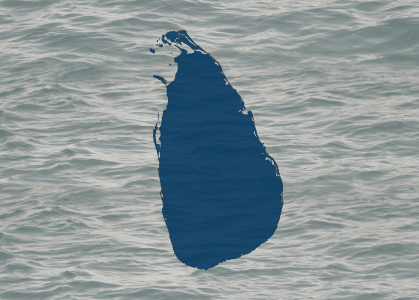
A low-pressure system over the Bay of Bengal intensified into Cyclone Ditwah and made landfall between 27 and 28 November, bringing heavy rainfall across Sri Lanka. The central highlands bore the heaviest impact of the rainfall. Kandy, the cultural heart of Sri Lanka, was the most severely affected district. Badulla, Nuwara Eliya, and Matale also experienced significant flooding and landslides, while heavy rainfall caused flooding in some areas of the Western Province as well.
The Sri Lanka Tourism Development Authority wishes to reassure all travellers that the island remains safe and open for tourism. Major destinations, including the Cultural Triangle, Jaffna, the East Coast, Yala National Park, Galle, the South Coast, and Colombo, are generally operating as usual.
Despite weather-related challenges in certain regions, the majority of Sri Lanka’s tourism destinations remained unaffected and continue to welcome visitors warmly.
While some areas are still recovering, services across the island are fully operational and ready to offer the renowned Sri Lankan hospitality. Access roads to all major tourist sites and attractions have been cleared and are fully open; however, certain railway lines sustained significant damage and will require considerable time for complete restoration.

 Read more
 Read more
 Read more
 Read more
 Read more
 Read more
 Read more
 Read more
 Read more
 Read more