


Discover comprehensive travel experiences across the island, catering to every type of traveller. Discover rich cultural heritage, encounter wildlife on thrilling safaris, and embark on adventure activities across Sri Lanka’s diverse landscapes. From pristine beaches and water sports to scenic hill-country treks, Walkers Tours ensures seamless planning, local insights, and unforgettable memories, making every journey an authentic and enriching Sri Lankan experience.


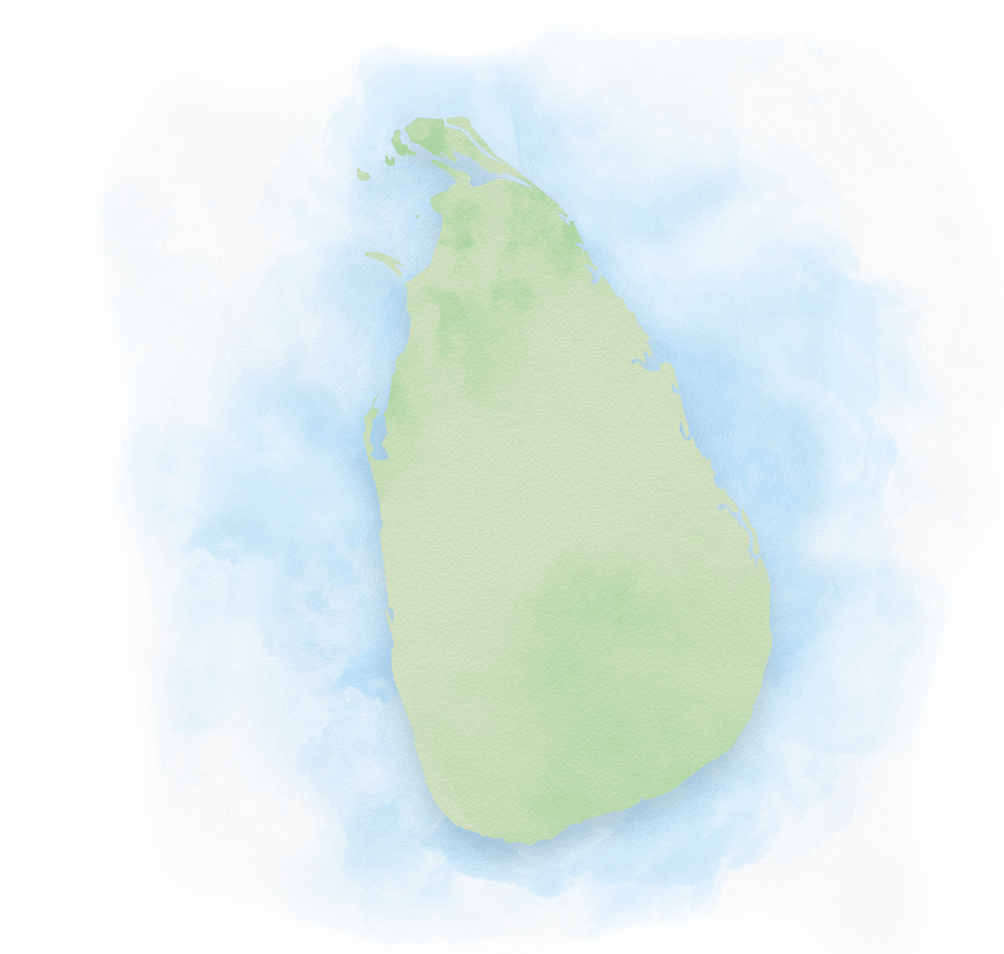










The roots of Sri Lanka’s cultural identity go back to 3000 years. The island nation bears a heritage of more than 250, 000 archeological sites including eight UNESCO World Heritage Sites out of which six represent cultural heritage. Having been an important and active meeting point of the sea silk route from east to west from ancient times, tourists are no strangers to this island. The cultural diversity in customs and traditions, faiths, language, art and architecture, fashion and cuisine make Sri Lanka a colourful destination with much to explore alongside the warm greetings of its smiling people. Tourist often fancy spending time with them and experimenting the local way of life from marketing in the local markets, cooking a local meal, travelling in public transport to living in a local home taking back with them memories to last a lifetime.
The Jaffna Peninsula makes up the northernmost region of Sri Lanka and is the centre of the island’s Tamil culture. While often considered similar to southern India, the peninsula has its own culture that is unique to the beliefs and lifestyle of Sri Lankan Tamils. Jaffna City is the region’s capital and is often the best starting point for exploring the peninsula, while the suburb of Nallur provides a glimpse into the rich history and heritage of the area.
Step back in time to Sri Lanka’s first capital, home to ancient stupas, sacred temples, and timeless ruins.
Located on Sri Lanka’s northeastern coast, Trincomalee is a town steeped in history and framed by one of the world’s finest natural harbours. Once a key port in colonial struggles, the area has long attracted settlers, traders, and invaders. The iconic Koneswaram Temple, perched at the tip of the peninsula, offers spiritual and scenic charm. Though its port is quieter today, Trincomalee remains important for tourism, with cultural sites, sea views, and beach escapes drawing travellers from around the island.
Explore magnificent stone statues, royal palaces, and ancient reservoirs in this UNESCO World Heritage city.
Climb the iconic Lion Rock fortress, marvel at ancient frescoes, and enjoy panoramic jungle views.
Discover Sri Lanka’s largest cave temple complex, filled with stunning Buddha statues and colourful murals.
Visit one of the island’s oldest Buddhist shrines, surrounded by lush countryside and local heritage.
Once an impenetrable fortress, shielding the island from colonial invaders, Kandy’s former glory is still present anywhere you look.
Situated along the Mahaweli River within the central plains, Kandy is the island’s second-largest city, often lauded as Sri Lanka’s “cultural capital”. Its notable landmarks and ties to the nation’s Buddhist heritage draw thousands of visitors annually.
From the Temple of the Tooth Relic to iconic fire dances, experience Kandy’s undeniable cultural charm — told through its monuments and communities.
Famous for its sacred temple and vibrant murals, this site holds deep religious and cultural significance.
A vibrant capital city blending colonial heritage, modern attractions, bustling markets, and a lively seaside atmosphere.
Often referred to as “Little England”, Nuwara Eliya is a quaint hill station tucked away in the middle highlands of Sri Lanka. It provides a quiet respite and is well-known for its misty, cold environment and charming tea plantations. Anyone can take a boat ride on scenic Lake Gregory, visit colonial-era architecture, or meander through well-kept gardens like Victoria Park. With factories that provide tours and tastings, the area is the centre of Ceylon tea production.
Marvel at the cascading Ravana Falls, steeped in local legend and surrounded by misty hills.
The coastal town of Galle has a magnetic nature that draws visitors and locals alike to its beaches. Its crown jewel, the Galle Fort, is a UNESCO World Heritage Site filled with cobbled streets, Dutch-era buildings, art galleriesnand the iconic lighthouse. The city’s mix of European architecture and Sri Lankan culture offers a unique atmosphere. Beyond the fort, Galle boasts beautiful beaches, bustling markets, and local eateries. It’s an ideal destination for history lovers, creatives, and coastal wanderers alike.










Sri Lanka is rich in natural heritage and is one of the highest biodiversity hotspots in the world home to many indigenous species of flora and fauna. Sinharaja Rain Forest and Peak Wilderness are the two natural UNESCO World Heritage Sites among the eight. The island is proud to have its own big 5, the blue whale, sperm whale, elephant, sloth bear and leopard. Sri Lanka is also known to have the high-est density of wild Asian elephants and leopards in the world. Outside Africa, Sri Lanka is the world’s best safari destination. Aside game drive adventures in the island’s scattered national parks, cycling, camping, trekking, rafting and the scenic train journey across the central hills of Sri Lanka are some of travellers’ favourites.
Mannar is derived from the Tamil words maṉṉ and ār, which translates to mud/clay river. Connected to the mainland by a causeway, the Mannar Island has beaches with views for days, ancient baobab trees, and historic sites like the colonial-era Mannar Fort. The region is also famous for birdwatching, especially around the Vankalai Sanctuary, which attracts migratory birds from around the world.
Located in Sri Lanka’s northwest, Wilpattu is the country’s largest national park, famed for its unique “willus” or natural lakes. Its dense forests, lakes, and grasslands create habitats for leopards, elephants, sloth bears, and deer. Unlike other parks, Wilpattu remains peaceful and less crowded, ideal for wildlife enthusiasts. Visitors can join guided jeep safaris to explore its rich biodiversity and birdlife. Its commitment to conservation and eco-tourism makes Wilpattu a must-visit for nature and adventure lovers.
Witness the famous elephant gathering at Minneriya National Park, a spectacular wildlife experience.
A UNESCO-listed mountain range offering dramatic landscapes, hiking trails, and rich biodiversity.
A misty plateau featuring World’s End cliff, Baker’s Falls, and rare highland wildlife.
Gal Oya National Park is one of Sri Lanka’s most tranquil and lesser-known wildlife reserves, located in the country’s eastern region. What sets Gal Oya apart is the opportunity to witness elephants swimming across Senanayake Samudraya, Sri Lanka’s largest reservoir—an unforgettable sight best seen on a boat safari. The park is rich in biodiversity, home to elephants, leopards, deer, crocodiles, and over 150 species of birds. It also has deep cultural significance, being home to the Vedda people, one of Sri Lanka’s last indigenous communities. With fewer crowds and untouched landscapes, Gal Oya offers a truly serene and immersive nature experience.
Ella is a charming hill-country town in Sri Lanka, renowned for its stunning natural beauty. Surrounded by lush tea plantations, mist-shrouded mountains, and cascading waterfalls, it’s a paradise for hikers and nature lovers. Key attractions include the iconic Nine Arches Bridge, Little Adam’s Peak, and Ella Rock, all offering breathtaking panoramic views. Ella also serves as a popular stop on the incredibly scenic train journey through the Sri Lankan highlands. It offers a relaxed atmosphere, perfect for unwinding amidst nature.
Sri Lanka’s last rainforest sanctuary, rich in biodiversity, hidden waterfalls, and fascinating endemic wildlife.
Discover the vibrant landscapes and scenery of Udawalawe, a town in Sri Lanka’s Rathnapura district, known for its incredible natural beauty. Its main attraction is the Udawalawe National Park, which provides a home to several captivating wildlife species and surrounds the Udawalawe Reservoir. Nature lovers looking to enjoy Sri Lanka’s natural beauty won’t ever be disappointed with a visit to Udawalawe, where massive elephant herds and colourful bird species are abundant.
A lesser-known rainforest reserve, perfect for birdwatching, nature trails, and quiet escapes into the wild.
A coastal wetland sanctuary, renowned for its migratory birds, lagoons, and tranquil wildlife experiences.
While often synonymously associated with the Yala National Park, the Yala region in Sri Lanka’s southern province encompasses several other parks, reserves and religious sites. This is because the region is abundant in rich biodiversity and is also steeped in history and culture, making it a hotspot for nature lovers and culture buffs. Adventures abound, from treacherous hikes to thrilling jeep safaris, to tranquil temple visits, and visitors will have plenty of picture-perfect scenes to capture on camera!














Being an island in the Indian Ocean, Sri Lanka is surrounded by pristine sandy beaches. These fabulous beaches have made the island a popular beach destination among many travellers for half a century. In the ancient times, the beauty of beaches itself had been captivating enough for the island to be iden-tified in names such as “Thambapanni” meaning copper in Sanskrit which was the colour of the sands of the western beach on which King Vijaya and his 700 followers landed back in the 5th century BC. The east’s golden or soft white sandy beaches are no less striking embracing an uncrowded atmosphere than the beaches of the west or the south. Whilst luxury yachting is becoming popular around the country’s ocean, down south, east coast and Negombo beaches are the most popular beach resorts in the island. Tourists spending their leisure time around the island’s beaches and water bodies indulge in activities such as surfing, kite surfing, snorkeling, scuba diving, paramotoring, rafting, kayaking, whale and dolphin watching.
The Jaffna Peninsula makes up the northernmost region of Sri Lanka and is the centre of the island’s Tamil culture. While often considered similar to southern India, the peninsula has its own culture that is unique to the beliefs and lifestyle of Sri Lankan Tamils. Jaffna City is the region’s capital and is often the best starting point for exploring the peninsula, while the suburb of Nallur provides a glimpse into the rich history and heritage of the area.
Mannar is derived from the Tamil words maṉṉ and ār, which translates to mud/clay river. Connected to the mainland by a causeway, the Mannar Island has beaches with views for days, ancient baobab trees, and historic sites like the colonial-era Mannar Fort. The region is also famous for birdwatching, especially around the Vankalai Sanctuary, which attracts migratory birds from around the world.
Located on Sri Lanka’s northeastern coast, Trincomalee is a town steeped in history and framed by one of the world’s finest natural harbours. Once a key port in colonial struggles, the area has long attracted settlers, traders, and invaders. The iconic Koneswaram Temple, perched at the tip of the peninsula, offers spiritual and scenic charm. Though its port is quieter today, Trincomalee remains important for tourism, with cultural sites, sea views, and beach escapes drawing travellers from around the island.
Located in Sri Lanka’s northwest, Wilpattu is the country’s largest national park, famed for its unique “willus” or natural lakes. Its dense forests, lakes, and grasslands create habitats for leopards, elephants, sloth bears, and deer. Unlike other parks, Wilpattu remains peaceful and less crowded, ideal for wildlife enthusiasts. Visitors can join guided jeep safaris to explore its rich biodiversity and birdlife. Its commitment to conservation and eco-tourism makes Wilpattu a must-visit for nature and adventure lovers.
Located on Sri Lanka’s northwestern coast, Kalpitiya is a coastal village famed for its marine biodiversity and dolphin watching. Stretching between the Indian Ocean and Puttalama Lagoon, the peninsula offers unspoilt beaches, mangroves, and Bar Reef Marine Sanctuary, home to vivid coral and sea life. Kalpitiya remains a quiet escape with kite surfing spots, traditional fishing communities, and island excursions. Future eco-tourism plans aim to develop its islands sustainably, enhancing its charm as a nature and marine paradise.
A vibrant capital city blending colonial heritage, modern attractions, bustling markets, and a lively seaside atmosphere.
A tropical paradise for beach lovers, water sports enthusiasts, and those seeking coastal luxury escapes.
Adventure hub for white-water rafting, rainforest hikes, and scenic river views amidst lush greenery.
Arugam Bay, on Sri Lanka’s southeast coast just south of Pottuvil, is a relaxed surf town known for its golden sands and consistent waves. This coastal spot attracts surfers, backpackers, and travellers looking for a laid-back vibe and stunning natural scenery. Beyond the surf, you’ll find rustic beach cafés, fiery sunsets, and a friendly local community. Its bohemian feel, nearby wildlife parks, and delicious Sri Lankan food create a memorable destination blending adventure, culture, and relaxation along the island’s unspoilt eastern coastline.
Sri Lanka’s last rainforest sanctuary, rich in biodiversity, hidden waterfalls, and fascinating endemic wildlife.
Unawatuna is a beautiful coastal village near Galle, famous for its golden beach, calm turquoise waters, and relaxed vibe. Sheltered by a bay, it’s ideal for swimming, snorkelling, and spotting marine life. The beachfront is dotted with cafes and restaurants, offering fresh seafood and tropical drinks. Nearby attractions include the Japanese Peace Pagoda and Rumassala Hill. The beauty of Unawatuna cannot be overstated, it is a haven that keeps you involved in its charms at all times, making the goodbye that much harder to come to terms with.
Explore a laid-back coastal town known for surfing, stilt fishing, and golden sandy beaches.
Mirissa, on Sri Lanka’s southern coast, is a picturesque beach town known for its golden sands, turquoise waters, and relaxed atmosphere. It’s a popular spot for surfing, snorkelling, and whale watching, especially between November and April. The town also offers vibrant nightlife, beachfront cafés, and scenic gems like Coconut Tree Hill. Whether you’re seeking adventure or simply a place to unwind by the ocean, Mirissa blends natural beauty with coastal charm, making it a favourite among travellers.


