Monsoon Travel in Sri Lanka: How to Plan Around The Rainy Season
Adventure . Beach . Culture . Experiences Adventure . Beach . Culture . Experiences Adventure . Beach . Culture . Experiences Adventure . Beach . Culture . Experiences
Sri Lanka has two principal monsoon seasons and two intermonsoon periods, so conditions can differ significantly between the south, west, east, north and central highlands at the same time. If you are travelling between May and September, the east and north can offer very different conditions from the southwest. From December to February, the pattern reverses. The result is a destination that can be travelled throughout the year, provided the route is planned around the season rather than against it.
Quick Summary
- Sri Lanka does not experience the same weather across the entire island at the same time.
- The southwest monsoon generally affects the south and west from May to September.
- The northeast monsoon mainly affects the north and east from December to February.
- The east coast can be a strong alternative when the southwest is wetter, while the south and west become more attractive during their drier months.
- Experienced travel operators like Walkers Tours choose the region first, then the route and experiences, rather than treating the whole island as having one rainy season.
The phrase “rainy season in Sri Lanka” makes the island sound as though it switches between good weather and bad weather. It does not.
Sri Lanka’s climate is strongly influenced by two main monsoon systems: the Southwest Monsoon, broadly from May to September, and the Northeast Monsoon, broadly from December to February. Between them are two transitional intermonsoon periods. Long-term rainfall research using data from 187 stations across Sri Lanka found considerable spatial variation in rainfall intensity, with the island’s mountain areas behaving differently from lowland regions.
The Sri Lanka Tourism Development Authority also recognises this alternating pattern as a major driver of tourism seasonality, noting that the south traditionally sees its high season during the winter while the east experiences its high season during the summer.
Rainfall Is Also Highly Localised
Even within a monsoon-affected region, rainfall does not mean that every location receives the same conditions every day.
In practical terms, a weather forecast showing rain somewhere in Sri Lanka should not automatically be interpreted as a forecast for the entire island.
That does not mean monsoon weather can be ignored. Heavy rain, rough seas, flooding and landslides can affect travel at times.
Which Part of Sri Lanka Should You Visit During the Monsoon?
| Travel period | Areas to approach carefully | Areas to consider | Experiences to consider |
| May-September | South and west | East and north, selected inland areas | Beaches, surfing, wildlife, culture |
| October-November | Conditions can be variable | Flexible island routing | Culture, wildlife, hills, mixed coastal experiences |
| December-February | North and east | South and west, selected inland areas | Beaches, whale watching, heritage |
| March-April | Transitional conditions | Flexible island routing | Culture, hills, wildlife and selected beaches |
Tropical weather can vary from year to year, and conditions within a region can change quickly.
For a more detailed regional comparison, see our guide to Sri Lanka East Coast vs West Coast: Which Should You Visit & When?.
Southwest Monsoon vs Northeast Monsoon: What Changes for Travellers?
| Factor | Southwest Monsoon | Northeast Monsoon |
| Broad period | May-September | December-February |
| More affected | South and west | North and east |
| Alternative coast | East | South and west |
| Beach planning | Consider east coast | Consider south and west |
| Route focus | East coast, Cultural Triangle, selected hill-country routes | South and west, Cultural Triangle, hill country |
| Main planning priority | Choose the right coast | Choose the right coast |
The central highlands require a little more thought. Altitude, topography and local weather patterns mean that destinations such as Kandy, Nuwara Eliya and Ella should not simply be classified as “wet” or “dry” based on the conditions at the coast.
Does It Rain All Day During Sri Lanka’s Monsoon?
Not necessarily, but travellers should not assume that monsoon rain will always be a brief shower either. Rainfall varies by region, season and intensity. Some days can be significantly wetter than others, and tropical weather can change quickly.
The practical lesson is to avoid an itinerary where every day depends on perfect outdoor conditions.
If you are planning a hike, safari, boat trip or beach day, build some flexibility into the route. If conditions change, you should have another worthwhile experience available rather than losing an entire day.
What Can You Actually Do During Monsoon?
Monsoon travel can work particularly well for travellers who are interested in more than beaches.
Wildlife Safaris
Wildlife can remain an important part of a monsoon itinerary, although conditions vary between parks and seasons. The key is to choose the park and timing according to the experience you want rather than automatically selecting the most famous park.
A wildlife safari can also provide a useful contrast to coastal weather, particularly when the itinerary is designed around regions experiencing more favourable conditions.
Cultural and Heritage Experiences
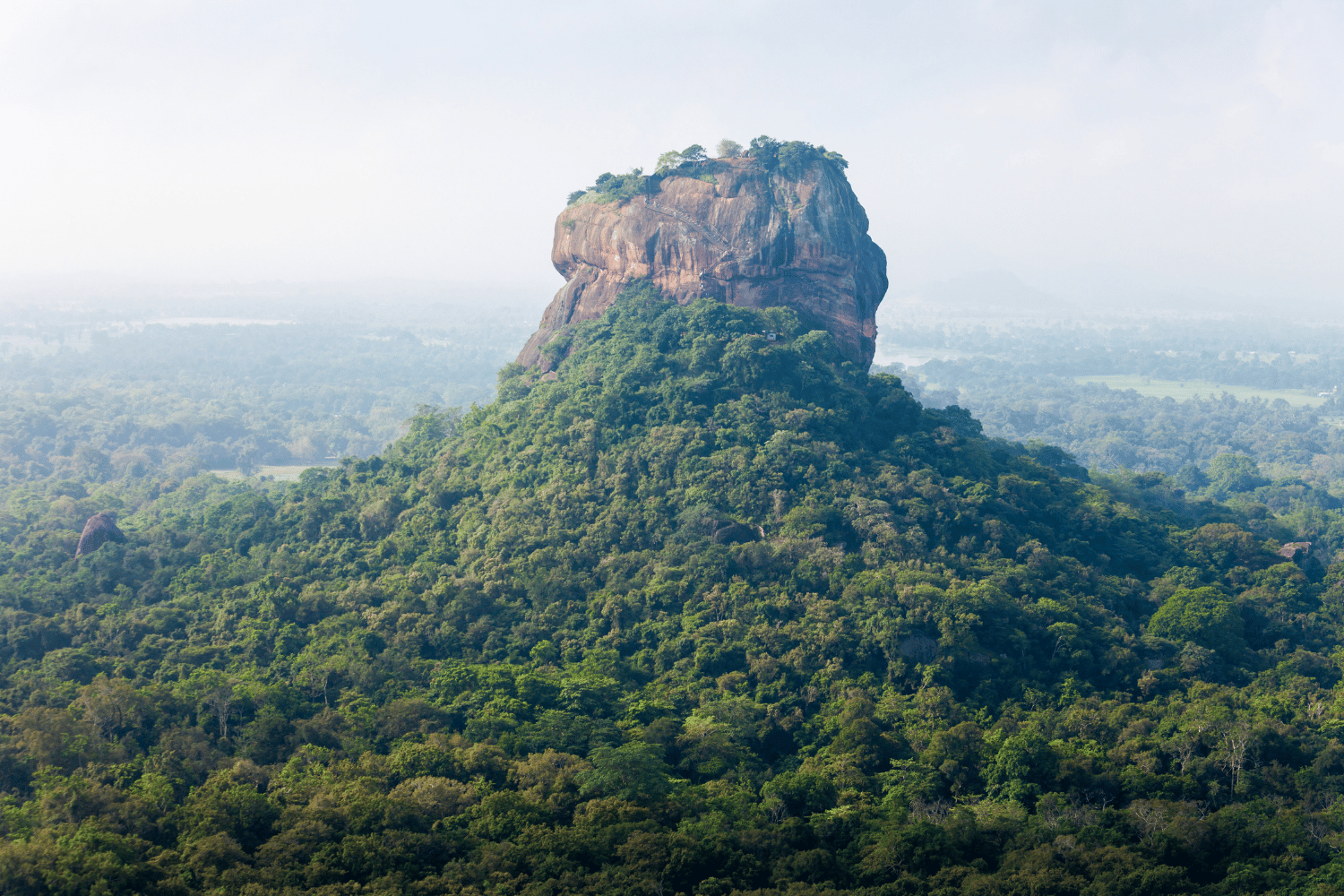
The Cultural Triangle provides plenty of reasons to travel beyond the coast. Sigiriya, Dambulla, Anuradhapura and Polonnaruwa offer heritage experiences that are not dependent on spending an entire day beside the sea.
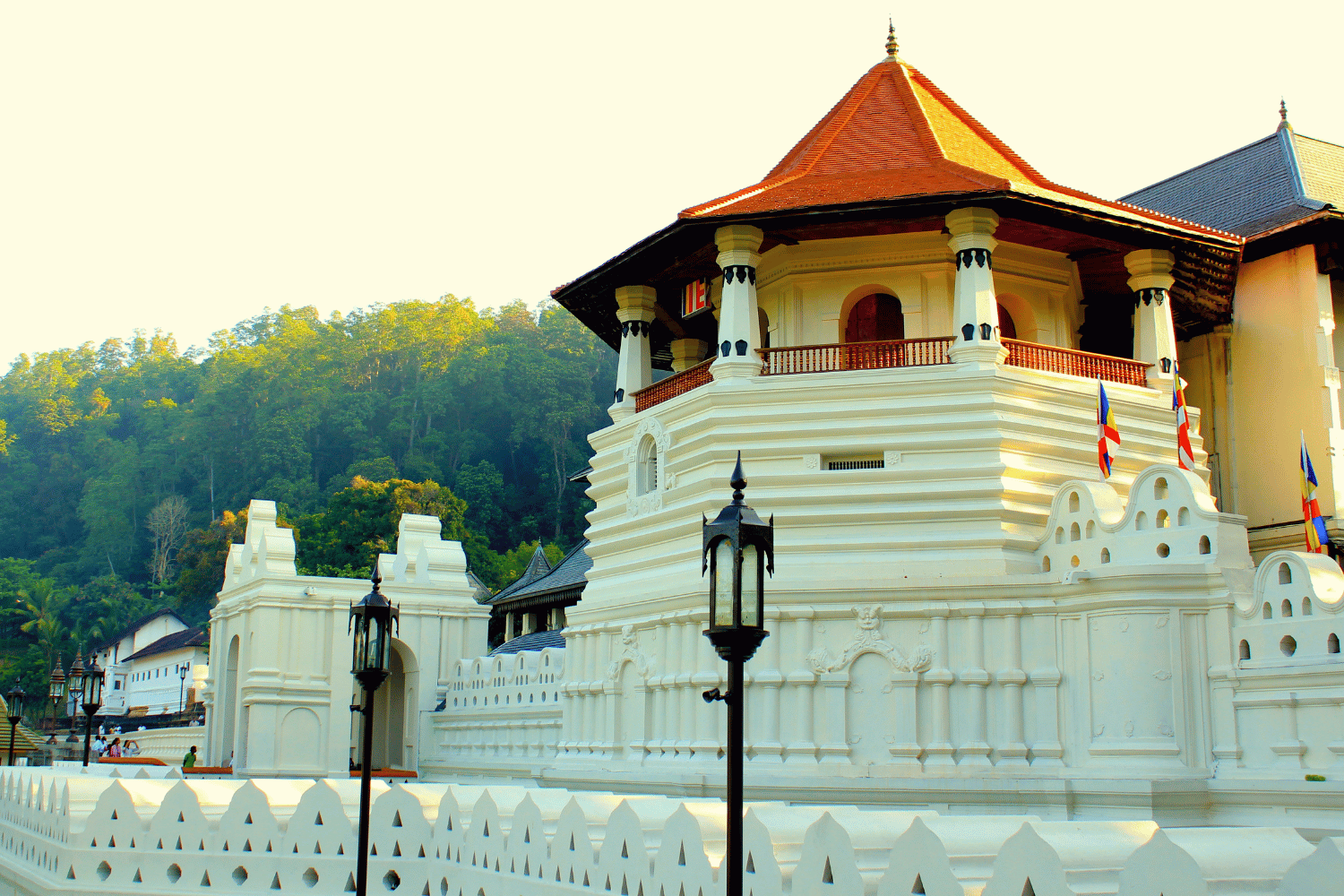
Kandy also works well as an itinerary anchor because it connects the cultural heartland with the hill country.
Tea Country
Sri Lanka’s tea country is another reason not to define a monsoon holiday around sunshine alone.
Tea estates, factories, plantation landscapes and slower-paced hill-country experiences can form a meaningful part of an itinerary, particularly for travellers who enjoy scenery and culture as much as beaches.
Food and Local Experiences
Markets, cooking experiences, local restaurants, cafés and village encounters can also make an itinerary less weather-dependent.
These are not simply “rainy day activities”. They are part of experiencing Sri Lanka beyond its postcard attractions.
Surfing
Surfing is one of the clearest examples of why Sri Lanka’s monsoon should be understood geographically.
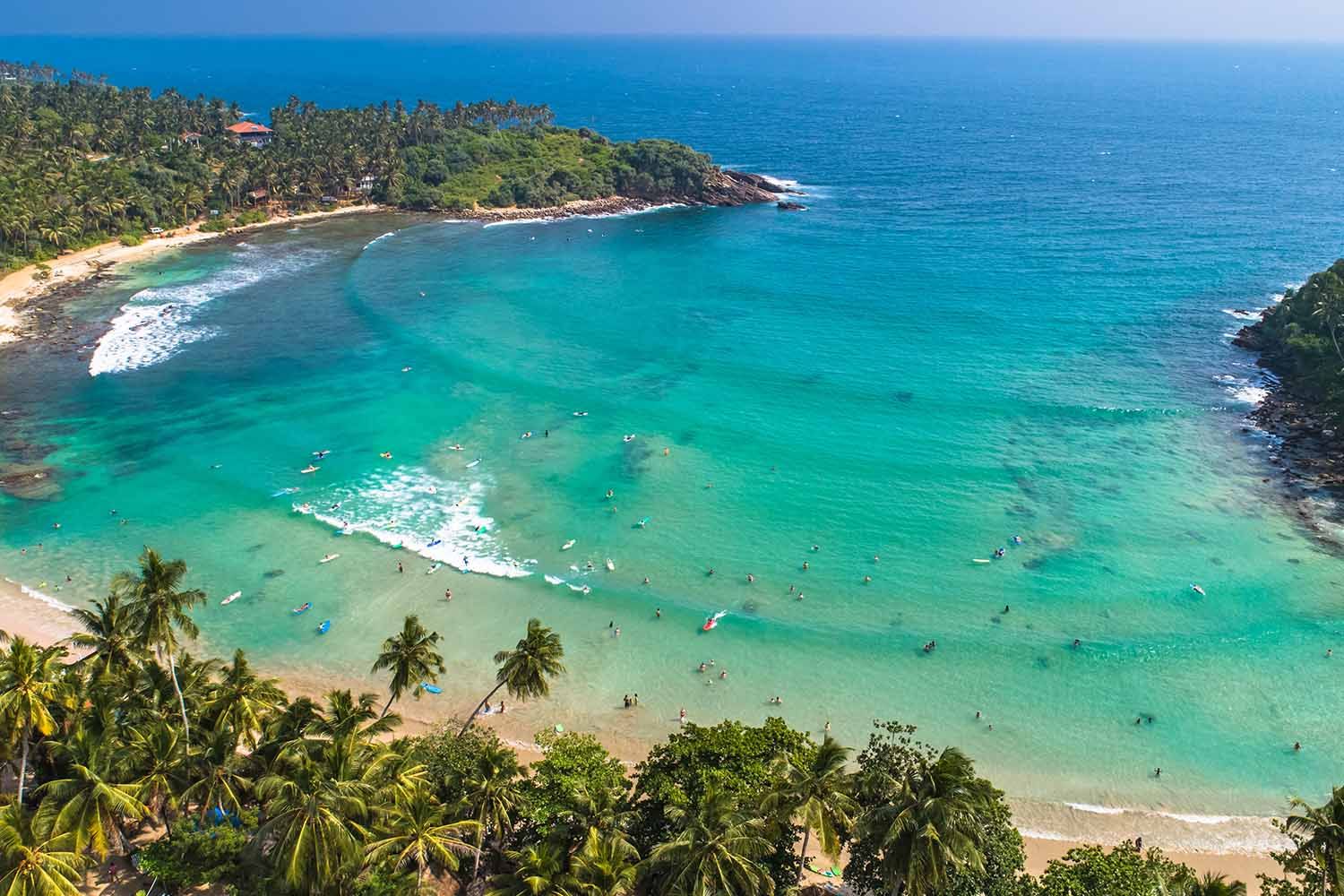
When conditions are less favourable on one coast, another can enter its strongest surf season. The east coast, particularly around Arugam Bay, becomes an important consideration during the southwest monsoon.
Monsoon Travel Is Not Necessarily the “Cheap Season”
It is tempting to assume that monsoon travel automatically means lower prices everywhere. The reality is more complicated.
Sri Lanka Tourism Development Authority data as of 2025 identifies May and June as the lowest months for leisure travel, connecting this pattern with the onset of the southwest monsoon on the south and west coasts.
But lower national demand does not mean every hotel or destination will suddenly become inexpensive. School holidays, source markets, events, hotel demand and the specific coast you are visiting can all affect prices.
What to Pack for Monsoon Travel in Sri Lanka
You do not need specialist expedition equipment, but a few practical additions can make wet-weather travel easier:
- Lightweight waterproof layer
- Quick-drying clothes
- Waterproof day bag or dry bags
- Shoes with good grip
- Insect protection & mosquito repellent
- Power bank
- Small travel towel
- Sun protection (you still need it)
When Should You Avoid a Monsoon Route?
Consider changing or postponing a route when warnings are issued:
- severe weather is forecast
- flooding or landslides affect roads
- sea conditions make a planned activity unsafe
- a particular outdoor experience is the primary reason for the trip
- road or rail disruptions affect your route
This is particularly important for travellers planning hikes, boat excursions, surfing, safaris or other weather-sensitive experiences.
How Walkers Tours Plans Around Sri Lanka’s Monsoon
For a destination management company, monsoon planning is all about putting the right destinations together.
Walkers Tours’ tailor-made approach considers seasonal route design, transport, accommodation, activities and the overall flow of the journey. The company has operated in Sri Lanka since 1969 and describes bespoke itinerary planning as one of its core specialities.
For a traveller, that can mean shifting the coastal component, changing the order of destinations, allowing additional flexibility around outdoor activities or choosing a different experience when conditions change.
Explore Walkers Tours’ Sri Lanka journeys or speak with the team about building a route around your travel dates.
FAQ
Is Sri Lanka worth visiting during the monsoon?
Yes, provided you choose the right regions for your travel dates. Sri Lanka’s two monsoon systems mean that weather conditions vary considerably across the island rather than affecting every destination equally.
What months are monsoon season in Sri Lanka?
The southwest monsoon is broadly associated with May to September, while the northeast monsoon is broadly associated with December to February. Sri Lanka also has two intermonsoon periods between these principal seasons.
Can you go to the beach during monsoon season in Sri Lanka?
Yes, but coast selection is important. When the southwest monsoon affects the south and west, the east coast may offer more suitable beach conditions. The pattern reverses during the northeast monsoon.
Is October a good month to visit Sri Lanka?
October falls within a transitional period, so conditions can be more variable. This is a month when a flexible route and up-to-date local weather information become particularly useful.
Is Sri Lanka cheaper during monsoon season?
Not necessarily. Demand can be lower in some monsoon-affected regions, but prices vary according to destination, hotel, holidays and source markets. Monsoon should not be treated as an automatic low-price guarantee.
Conclusion
Sri Lanka does not have one universally bad travel season. The east can replace the south. Cultural sites can complement the coast. Tea country can slow down the middle of the journey. Wildlife can be positioned around regional conditions. And a route that initially looked unsuitable can become a well-paced trip with a few thoughtful changes.