Sri Lanka East Coast vs West Coast: Which Should You Visit & When?
Beach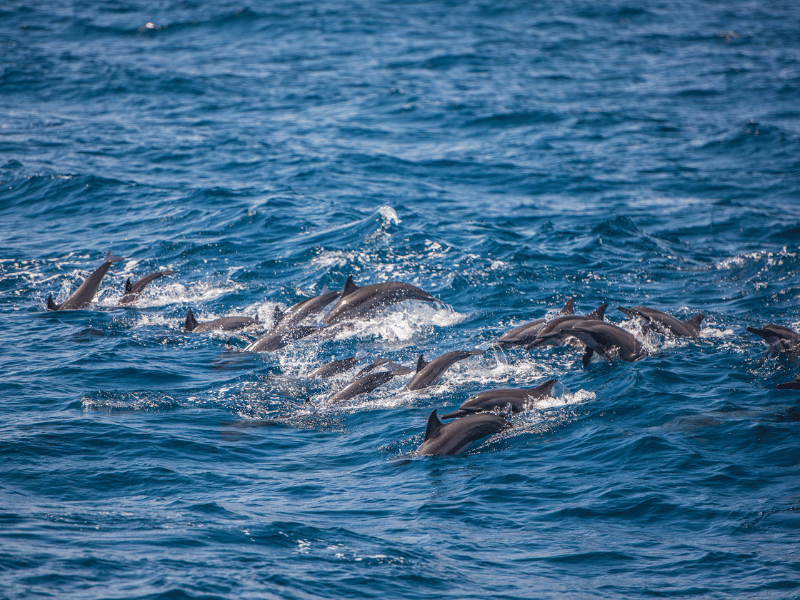
Quick Summary
- West & south coast best season: October-April
- East coast best season: May-September
- West coast: Easier access, surfing, nightlife, whale watching
- East coast: Calm beaches, snorkeling, quieter atmosphere
- Guided route planning by Walkers Tours helps optimize coast selection by season
Sri Lanka’s east and west coasts experience different monsoon seasons, meaning beach conditions shift throughout the year. This allows travellers to enjoy good weather somewhere on the island during almost every month.
The southwest monsoon mainly affects the west and south coasts between May and September, while the northeast monsoon impacts the east coast between October and February. As a result, the best beach destinations in Sri Lanka depend almost entirely on the month of travel rather than the destination itself.
West & South Coast Sri Lanka
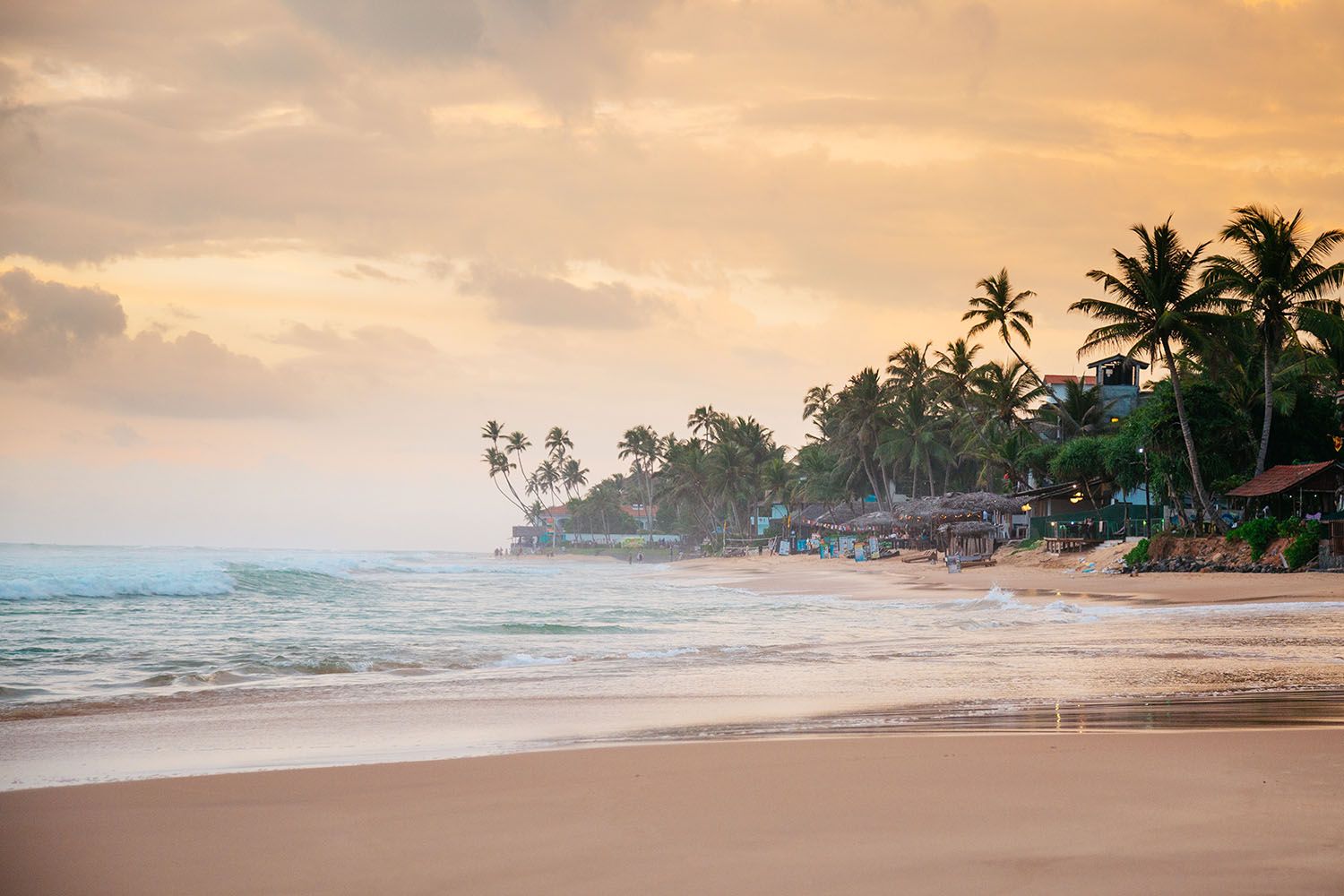
The west and south coasts are the most visited beach regions in Sri Lanka, especially between October and April when the seas are calmer and rainfall is lower. This coastline combines beach towns, cultural attractions, surfing, whale watching, and nightlife within relatively short travel distances from Colombo.
Popular beach destinations include Bentota, Hikkaduwa, Galle, Mirissa, Weligama, and Unawatuna.
What the West & South Coast is Best For
The west and south coast is commonly recommended for adventure activities:
- First-time visitors to Sri Lanka
- Beginner surfing and surf schools
- Whale watching experiences in Mirissa
- Beach cafés, nightlife, and social atmosphere
- Family-friendly beach stays
- Easier logistics and shorter transfer times from Colombo Airport
This region also offers the strongest mix of beaches and cultural experiences, particularly around Galle Fort and the southern coastline.
Best Beaches & Experiences on the West & South Coast
Bentota
Bentota is one of Sri Lanka’s most accessible beach destinations and is widely considered ideal for families and relaxed coastal stays. The beach combines calmer waters with nearby lagoon experiences, making it suitable for both children and adults.
- Distance from Colombo: Approx. 85 km
- Travel time: Around 1.5–2 hours
- Best time to visit: October–April
- Best for: Families, relaxed beach stays, lagoon activities
Popular experiences include Madu River safaris, turtle hatcheries, water sports, and resort stays.
Galle & Unawatuna
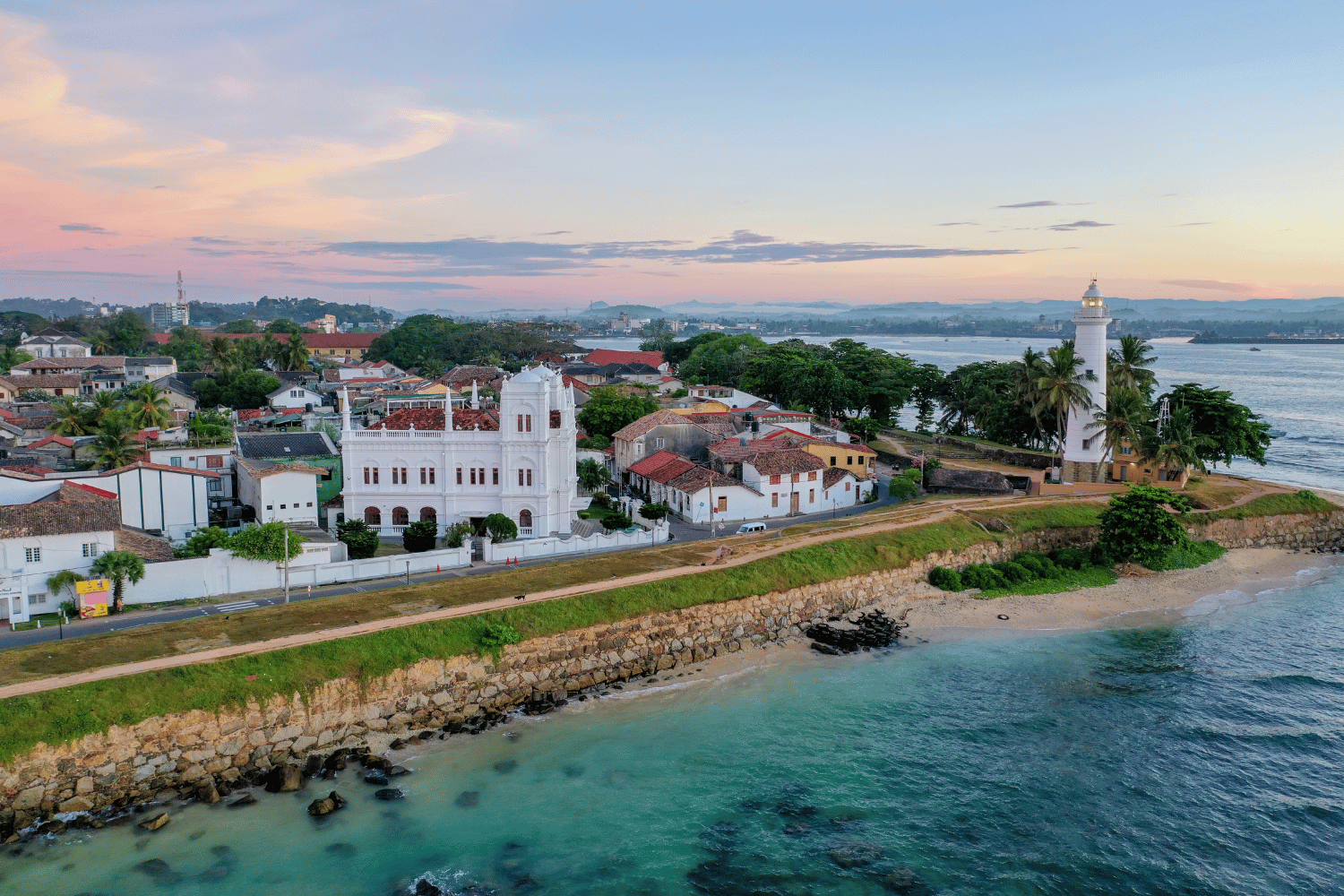
Galle combines colonial architecture, cafés, boutique hotels, and nearby beaches within a compact coastal setting. Just minutes away, Unawatuna offers calmer swimming conditions and a more relaxed beach atmosphere.
- Distance from Colombo: Approx. 130 km
- Travel time: Around 2.5–3 hours
- Best time to visit: October–April
- Best for: Couples, culture, swimming, relaxed beach stays
Travellers often combine beach time with walks through the historic Galle Fort, one of Sri Lanka’s most visited heritage sites.
Mirissa
Mirissa is best known for whale watching and laid-back beach culture. Between October and April, the area becomes one of the best places in Sri Lanka to spot blue whales and dolphins.
- Distance from Colombo: Approx. 150 km
- Travel time: Around 3 hours
- Best time to visit: October–April
- Best for: Whale watching, beach cafés, younger travellers
Mirissa is also commonly included in first-time Sri Lanka itineraries due to its balance of activity and accessibility.
Weligama
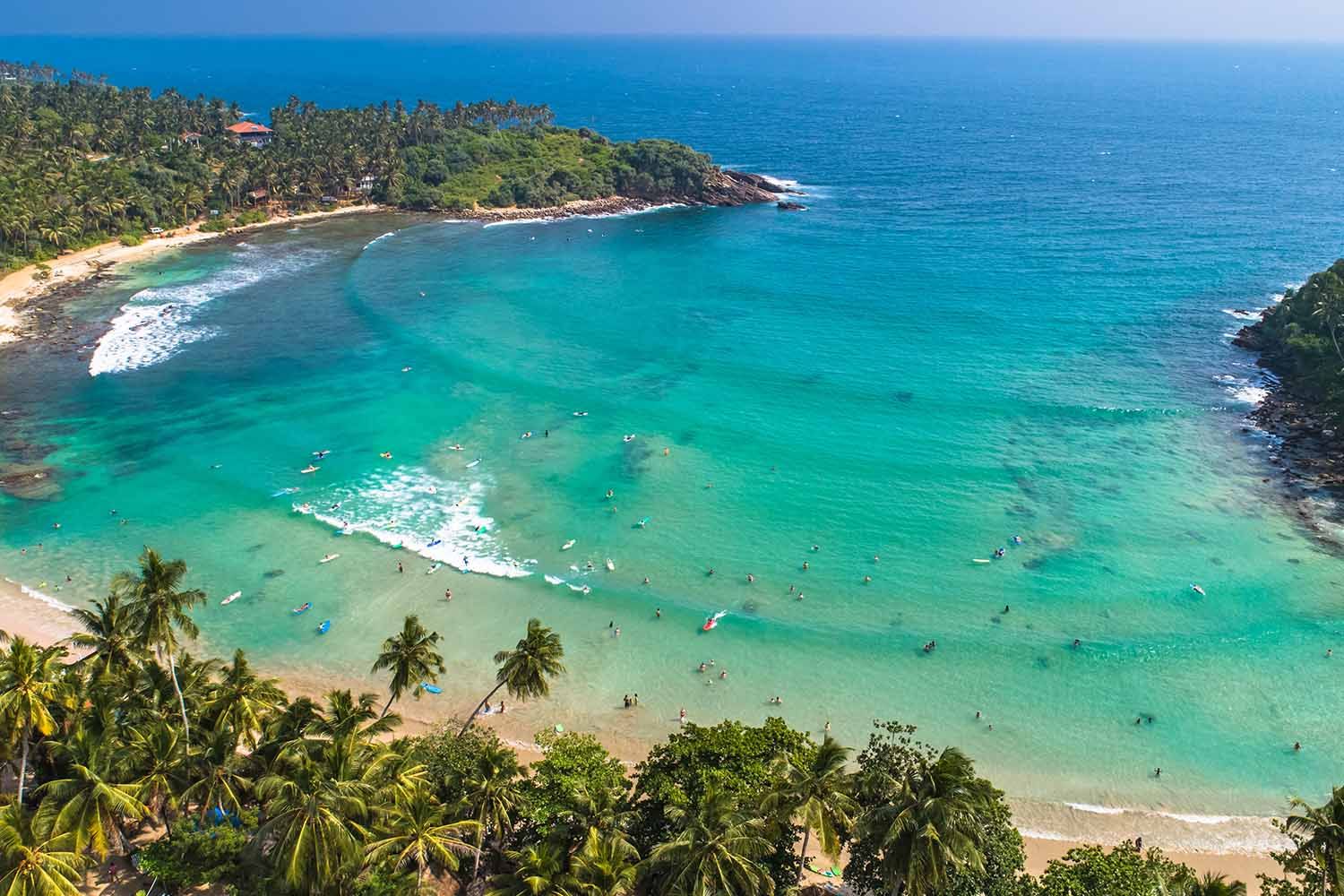
Weligama is considered one of the best places in Sri Lanka for beginner surfers due to its shallow bay and consistent waves. Surf schools and board rentals are widely available throughout the beach town.
- Distance from Colombo: Approx. 145 km
- Travel time: Around 3 hours
- Best time to visit: October–April
- Best for: Beginner surfing, long beach stays, relaxed travel
The town works well for travellers wanting a slower-paced coastal experience while still having access to cafés and nearby attractions.
Advantages of the West & South Coast
The west and south coast is often preferred because:
- Travel times from Colombo are shorter
- Tourism infrastructure is more developed
- Roads and transport are easier to navigate
- More accommodation options are available
- Ideal for first-time visitors to Sri Lanka
This region is also easier to combine with hill country destinations such as Ella and Kandy.
East Coast Sri Lanka
Sri Lanka’s east coast becomes the island’s best beach region between May and September when the southwest coast experiences monsoon conditions. Compared to the south, the east coast offers quieter beaches, calmer waters, and a slower atmosphere.
Popular destinations include Trincomalee, Pasikudah, Nilaveli, and Arugam Bay.
What the East Coast is Best For
The east coast is commonly recommended for:
- Calm beaches and swimming
- Snorkeling and diving
- Less crowded coastal experiences
- Relaxed and quieter beach towns
- Seasonal surfing in Arugam Bay
Many travellers also prefer the east coast for its more natural and less commercialized atmosphere.
Best Beaches & Experiences on the East Coast
Trincomalee
Trincomalee combines long beaches, whale watching, and historical landmarks within one coastal region. Nilaveli and Uppuveli beaches nearby are known for clear waters and relaxed stays.
- Distance from Colombo: Approx. 260 km
- Travel time: Around 6–7 hours
- Best time to visit: May–September
- Best for: Beaches, whale watching, snorkeling
Trincomalee is also one of Sri Lanka’s best east coast destinations for families and longer beach stays.
Pasikudah
Pasikudah is widely known for having some of the calmest and shallowest waters in Sri Lanka, making it especially suitable for families with young children.
- Distance from Colombo: Approx. 300 km
- Travel time: Around 6–7 hours
- Best time to visit: May–September
- Best for: Families, swimming, relaxed beach holidays
The beach allows travellers to walk far into the sea due to its shallow coastline.
Nilaveli
Nilaveli is one of the east coast’s quieter beach destinations, known for soft sand, calm seas, and access to Pigeon Island National Park.
- Distance from Colombo: Approx. 270 km
- Travel time: Around 6–7 hours
- Best time to visit: May–September
- Best for: Snorkeling, diving, quiet beach stays
Pigeon Island is one of Sri Lanka’s best snorkeling spots, particularly for coral reefs and marine life.
Arugam Bay
Arugam Bay is internationally recognized for surfing and attracts travellers from around the world during the east coast season.
- Distance from Colombo: Approx. 320 km
- Travel time: Around 7–8 hours
- Best time to visit: May–September
- Best for: Surfing, backpacker culture, longer stays
The area is best suited for intermediate and advanced surfers, although beginner lessons are also available.
Advantages of the East Coast
Travellers often choose the east coast because:
- Beaches are generally less crowded
- Waters are calmer during peak season
- Coastal towns feel quieter and slower-paced
- Snorkeling and diving conditions are excellent
- Surfing in Arugam Bay is seasonal and world-renowned
The east coast is particularly attractive for travellers looking to avoid busier beach destinations
East Coast vs West Coast Comparison
The ultimate guide to Sri Lankan coast travel starts with understanding the key differences between the east and west coast, from seasonal weather patterns to beach experiences.
| Feature | West & South Coast | East Coast |
| Best Season | October–April | May–September |
| Best For | First-time visitors | Quiet beach travel |
| Surfing | Beginner-friendly | Advanced surfing |
| Whale Watching | Mirissa | Trincomalee |
| Family Travel | Bentota | Pasikudah |
| Crowd Level | Higher | Lower |
| Travel Access | Easier | Longer transfers |
| Atmosphere | Social & lively | Relaxed & quieter |
| Snorkeling | Moderate | Excellent |
| Cultural Access | Easier access to Galle & Colombo | Easier access to Cultural Triangle |
Best Time to Visit Each Coast
October–April
This is the best period for Sri Lanka’s west and south coast. Beaches such as Bentota, Mirissa, Weligama, and Unawatuna experience calmer seas, sunnier weather, and better conditions for swimming and whale watching.
It is also the ideal season for:
- Surfing in Weligama
- Whale watching in Mirissa
- South coast beach itineraries
- Family beach holidays
May–September
During these months, the east coast becomes the best beach region in Sri Lanka due to calmer conditions and lower rainfall.
This is the ideal season for:
- Trincomalee beaches
- Pasikudah family travel
- Arugam Bay surfing
- Snorkeling and diving on the east coast
Sri Lanka’s dual monsoon system is what makes the island a year-round beach destination.
Can You Visit Both Coasts in One Trip?
Yes, but route planning becomes extremely important. Travellers visiting Sri Lanka for 12–14 days or longer can combine both coasts, although the itinerary should still prioritize the region with the best seasonal conditions.
For example December itineraries usually focus more heavily on the south and west coast, while July itineraries generally prioritize the east coast. Many full-island itineraries combine beaches with the Cultural Triangle, wildlife parks, and hill country experiences to create a more balanced journey.
Why Planning Matters for Coastal Travel in Sri Lanka
Beach travel in Sri Lanka depends heavily on timing. The same destination can feel completely different depending on the season, sea conditions, and rainfall patterns.
Effective planning matters because:
- Weather conditions shift between coasts
- Beach quality changes seasonally
- Transfer times can be longer than expected
- Combining regions requires efficient sequencing
This is why many travellers prefer season-aware itinerary planning through experienced operators such as Walkers Tours, especially when combining beaches with wildlife, culture, or hill country experiences.
FAQs
Which coast is better in Sri Lanka?
Neither coast is universally better because the ideal region depends on the season and travel style. The west and south coast suits first-time visitors, while the east coast is better for quieter beach experiences during mid-year months.
What is the best time to visit Sri Lanka beaches?
Sri Lanka’s south and west coast beaches are best from October to April, while the east coast experiences the best beach conditions from May to September due to opposite monsoon seasons.
Is the east coast less crowded?
Yes. The east coast is generally quieter and less commercialized than the south coast, making it ideal for travellers seeking calmer beaches and a more relaxed atmosphere.
Can you swim year-round in Sri Lanka?
Yes, but the best swimming conditions depend on the season. One side of the island usually experiences calmer seas while the opposite coast is affected by monsoon conditions.
Which coast is best for families?
Families often prefer Bentota on the west coast for accessibility and Pasikudah on the east coast for its extremely shallow and calm waters suitable for children.
Is Arugam Bay worth visiting?
Yes. Arugam Bay is considered one of the best surf destinations in Asia and attracts travellers looking for seasonal surfing, laid-back beach culture, and longer coastal stays.
Conclusion
Sri Lanka remains one of the few destinations where travellers can enjoy beach holidays throughout most of the year simply by choosing the right coast at the right time.
The west and south coast offer accessibility, whale watching, surfing, and lively beach towns, while the east coast provides calmer waters, quieter beaches, and seasonal surf culture. Understanding these seasonal differences is what shapes a smoother and more rewarding journey across the island.
Plan your Sri Lanka coastal journey with Walkers Tours for seasonally optimized beach and cultural itineraries.