Ultimate Guide to Cultural Tours in Sri Lanka
Culture . Destination Culture . Destination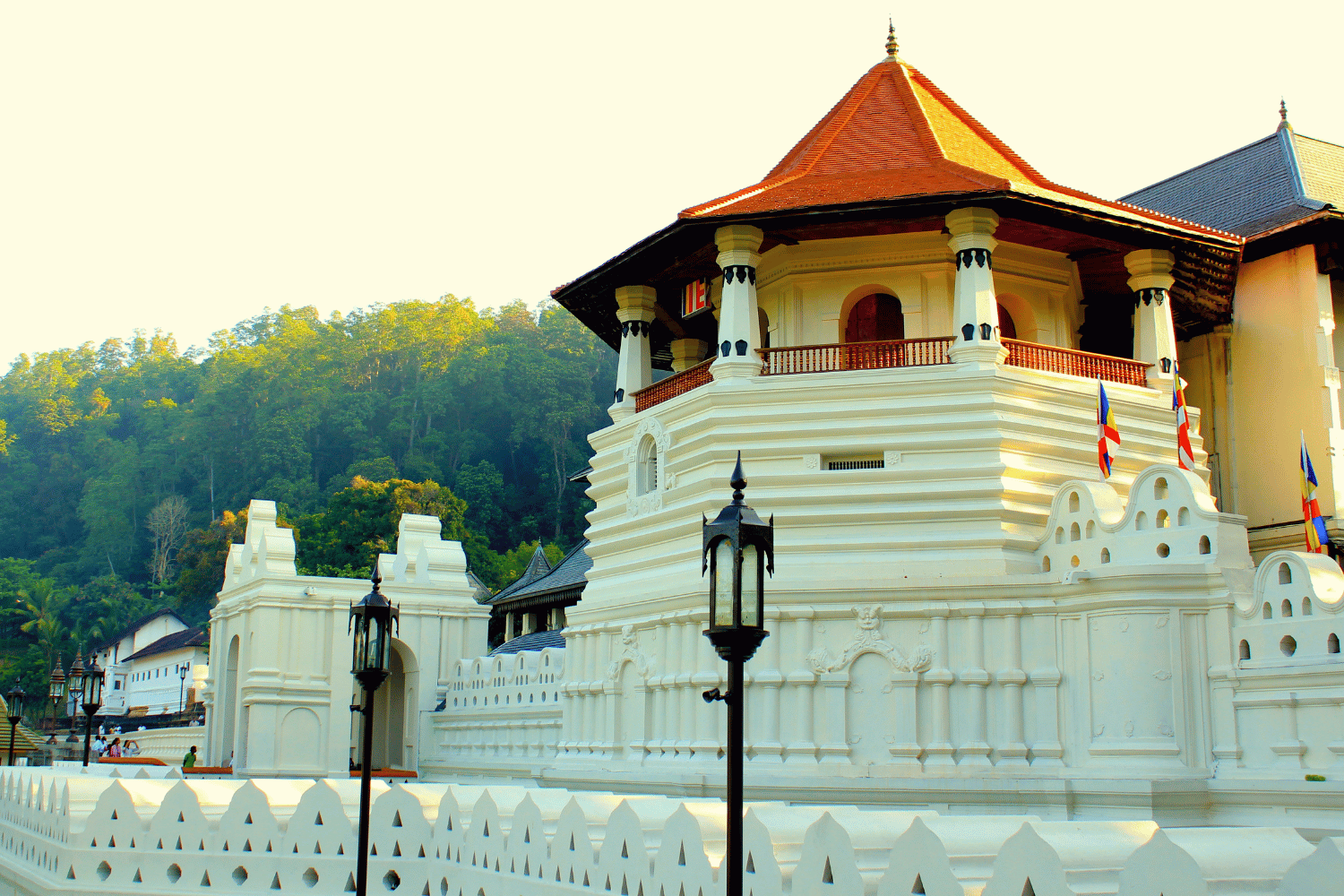
Sri Lanka cultural tours are travel itineraries that explore the island’s ancient cities, temples, heritage sites, and local traditions, often centered around the Cultural Triangle, Kandy, and other historic regions.
Quick Summary
- What cultural tours include: Ancient cities, sacred temples, UNESCO World Heritage Sites, regional traditions, and immersive local experiences
- Key destinations: Sigiriya, Kandy, Anuradhapura, Polonnaruwa, Dambulla, Jaffna, Kataragama, and Colombo
- Best time to visit: Year-round, with optimal conditions from November to April for the Cultural Triangle and seasonal advantages across regions
- Types of experiences: Temple rituals, cultural performances, village tours, cooking experiences, festivals, and archaeological exploration
- Guided tours: Curated itineraries by experienced operators such as Walkers Tours simplify multi-destination travel and provide deeper cultural insight
Travellers researching Sri Lanka often start with one question: what are the must-visit cultural places on the island? From iconic landmarks like Sigiriya Rock Fortress to sacred temples in Kandy, Sri Lanka offers a dense concentration of historic and spiritual sites within relatively short travel distances.
Another common question is how much time is needed to explore these destinations. Many travellers are unsure whether they need a few days or a full itinerary to experience the Cultural Triangle and beyond.
Sri Lanka stands out because it allows travellers to do all of this within a single journey. Cultural tours are not limited to ruins or museums. They are immersive experiences that combine history, religion, architecture, and everyday life. This is what makes Sri Lanka one of Asia’s most rewarding cultural destinations.
Why Sri Lanka is One of the Best Cultural Destinations in Asia
- Over 2,500 years of recorded history: Sri Lanka has one of the longest continuous histories in Asia, with ancient kingdoms, religious traditions, and architectural achievements that remain preserved today.
- Multiple UNESCO World Heritage Sites: The island is home to several UNESCO-listed locations, including Sigiriya, Anuradhapura, Polonnaruwa, Kandy, and the Dambulla Cave Temple.
- A living cultural landscape: Unlike many destinations, Sri Lanka’s cultural heritage is still actively practiced, with temples, rituals, and traditions forming part of daily life.
- Strong Buddhist heritage: Buddhism has shaped Sri Lanka’s identity for centuries, reflected in its temples, monasteries, and sacred sites.
- Easy multi-destination travel: Cultural sites are located within manageable distances, allowing travellers to explore multiple regions within a single itinerary.
The Cultural Triangle of Sri Lanka
The Cultural Triangle is the heart of Sri Lanka’s heritage tourism. Located in the north-central region of the island, it connects three major ancient cities and iconic landmarks.
Sigiriya
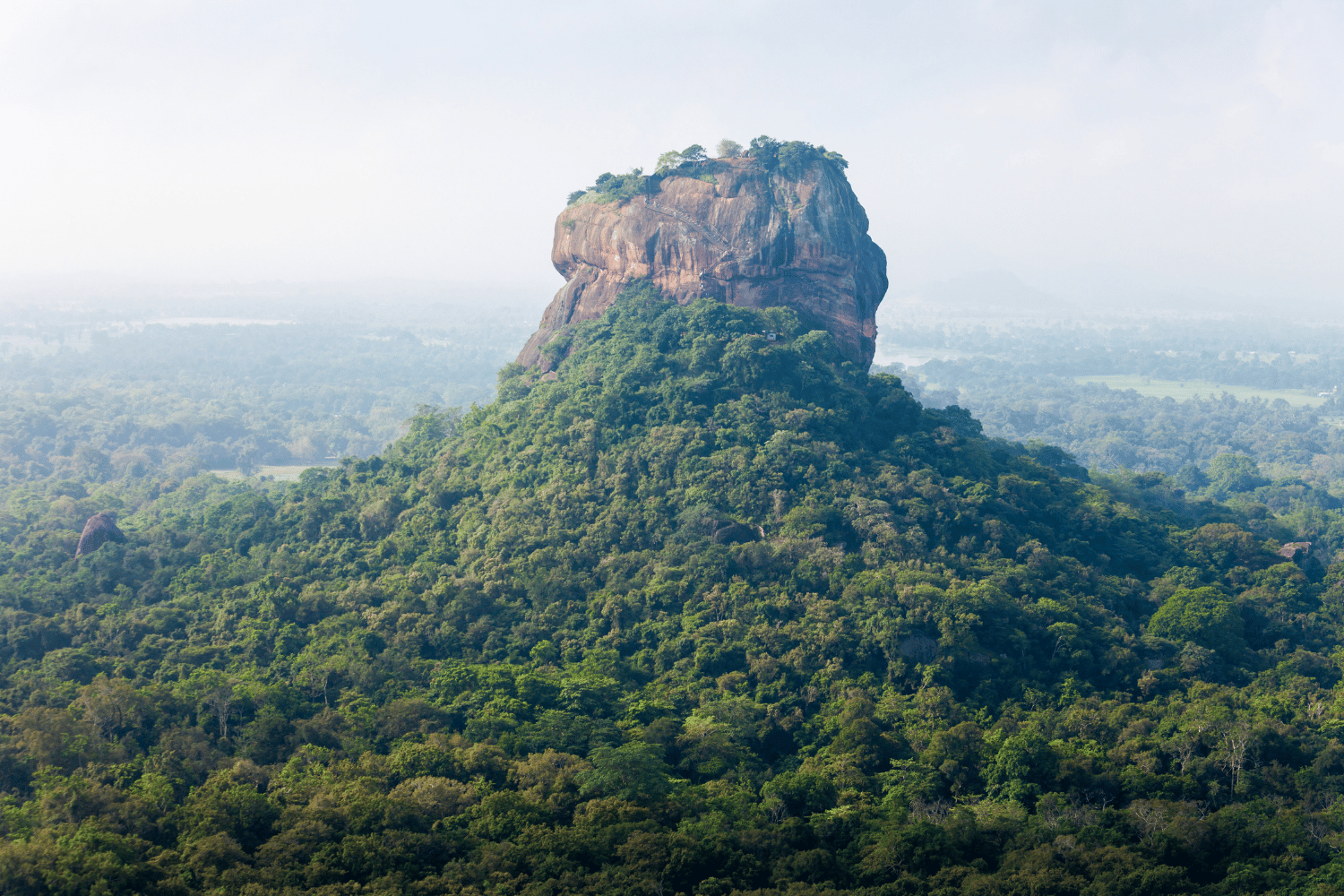
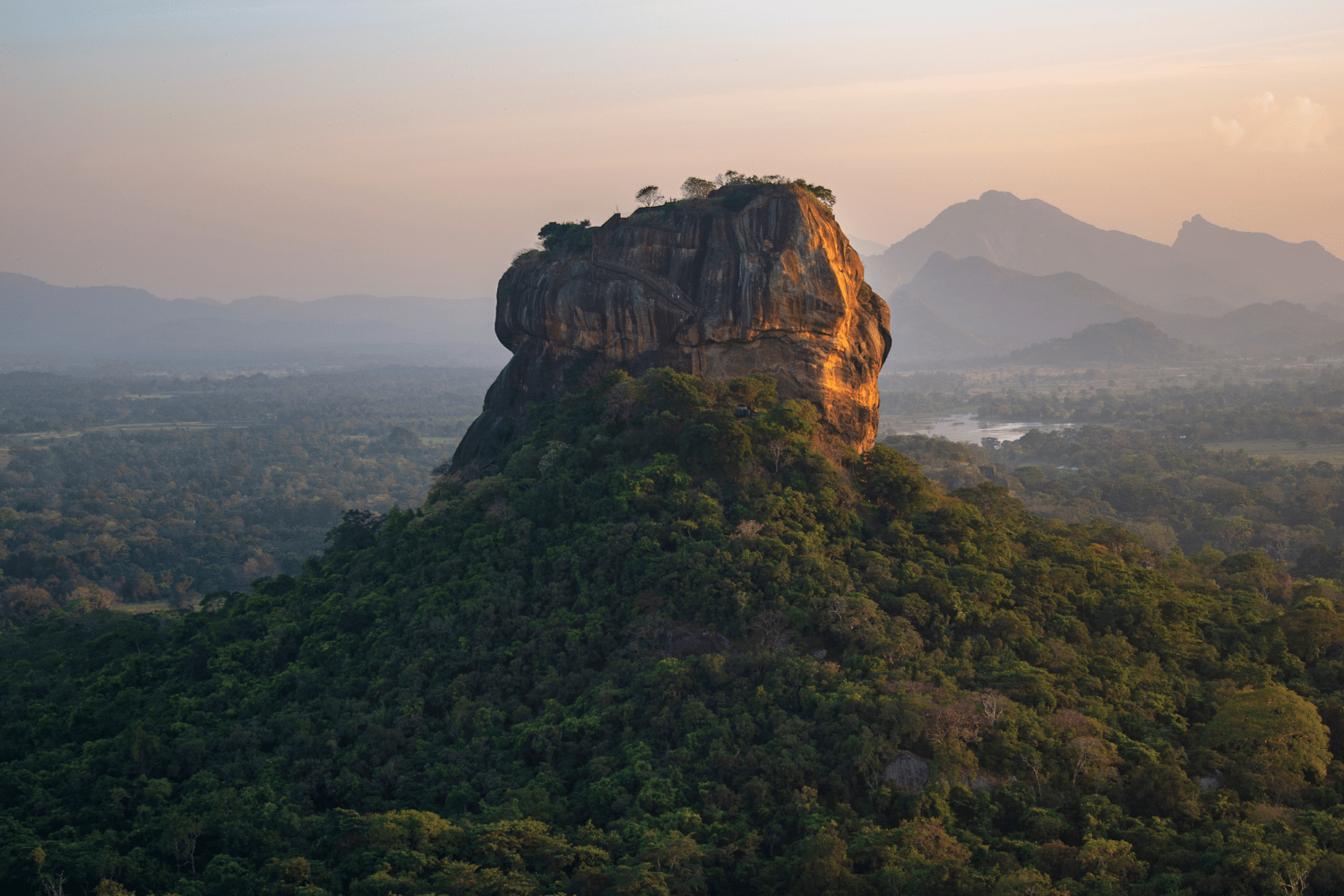
Sigiriya is one of Sri Lanka’s most famous landmarks and a UNESCO World Heritage Site. The ancient rock fortress rises dramatically from the surrounding plains and was once the royal palace of King Kashyapa.
Visitors climb to the top of the rock, passing through landscaped gardens, water features, and the famous Sigiriya frescoes. The summit offers panoramic views of the surrounding countryside, making it one of the most memorable cultural experiences in Sri Lanka.
Anuradhapura
Anuradhapura was the first ancient capital of Sri Lanka and remains one of the most sacred cities in the country. The site is known for its massive stupas, ancient monasteries, and the Sri Maha Bodhi tree, which is believed to be the oldest recorded tree in the world.
The city reflects the scale and sophistication of early Sri Lankan civilization, with advanced irrigation systems and religious architecture that continue to attract pilgrims and travellers.
Polonnaruwa
Polonnaruwa served as Sri Lanka’s medieval capital and is now a well-preserved archaeological site. The ruins include royal palaces, temples, and the famous Gal Vihara rock statues, which showcase detailed carvings of Buddha figures.
The site is relatively compact and is often explored by bicycle, allowing travellers to move easily between landmarks while experiencing the surrounding landscape.
Other Key Cultural Destinations in Sri Lanka
Kandy
Kandy is a cultural and spiritual centre located in Sri Lanka’s hill country. It is home to the Temple of the Tooth Relic, one of the most sacred Buddhist sites in the world.
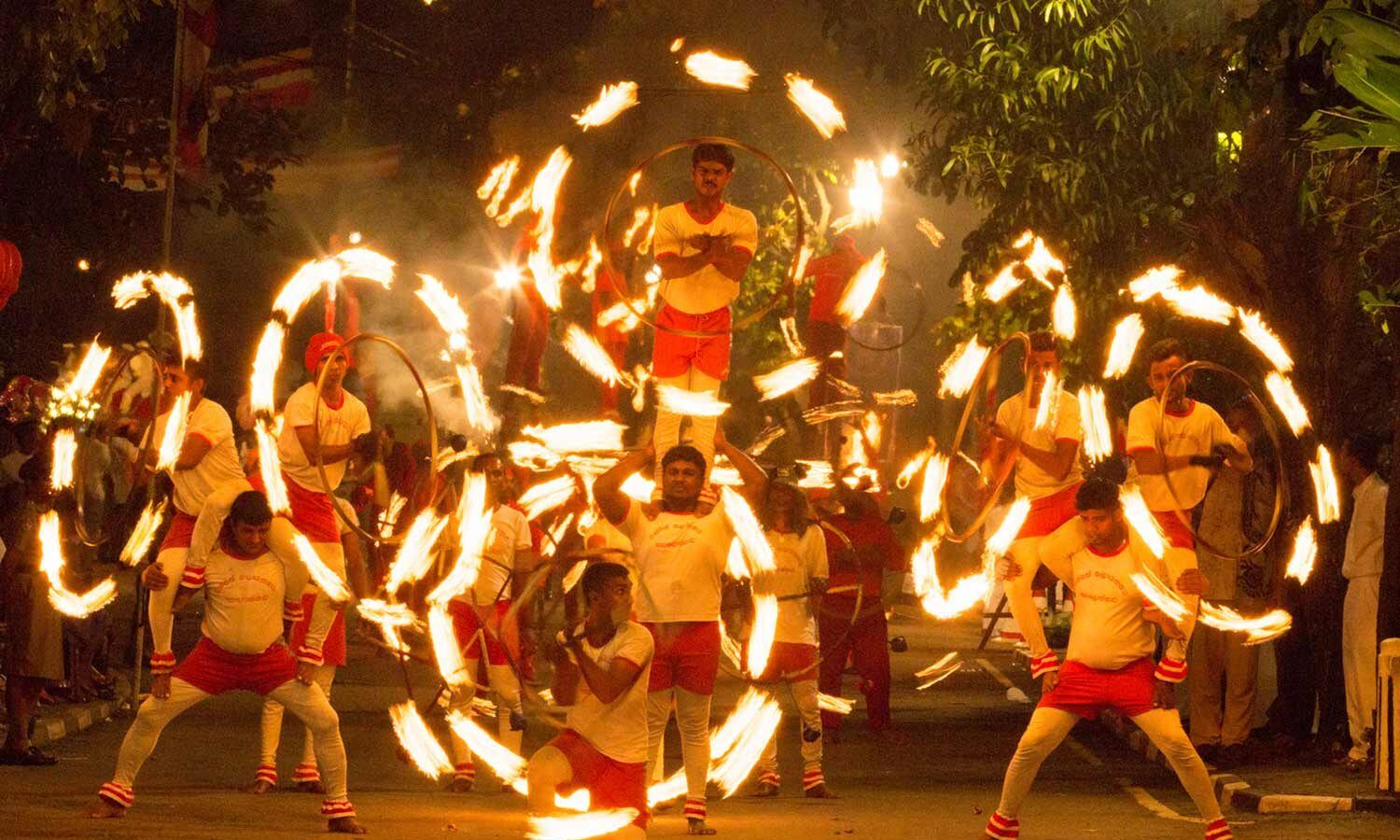
The city also hosts traditional Kandyan dance performances and the annual Esala Perahera festival, which features processions, dancers, and decorated elephants.
Dambulla Cave Temple
The Dambulla Cave Temple is another UNESCO World Heritage Site, known for its cave murals and over 150 Buddha statues. The temple complex is built into a rock formation and offers views of the surrounding countryside.
The intricate artwork and preserved interiors make it one of the most visually striking cultural sites in Sri Lanka.
Galle Fort
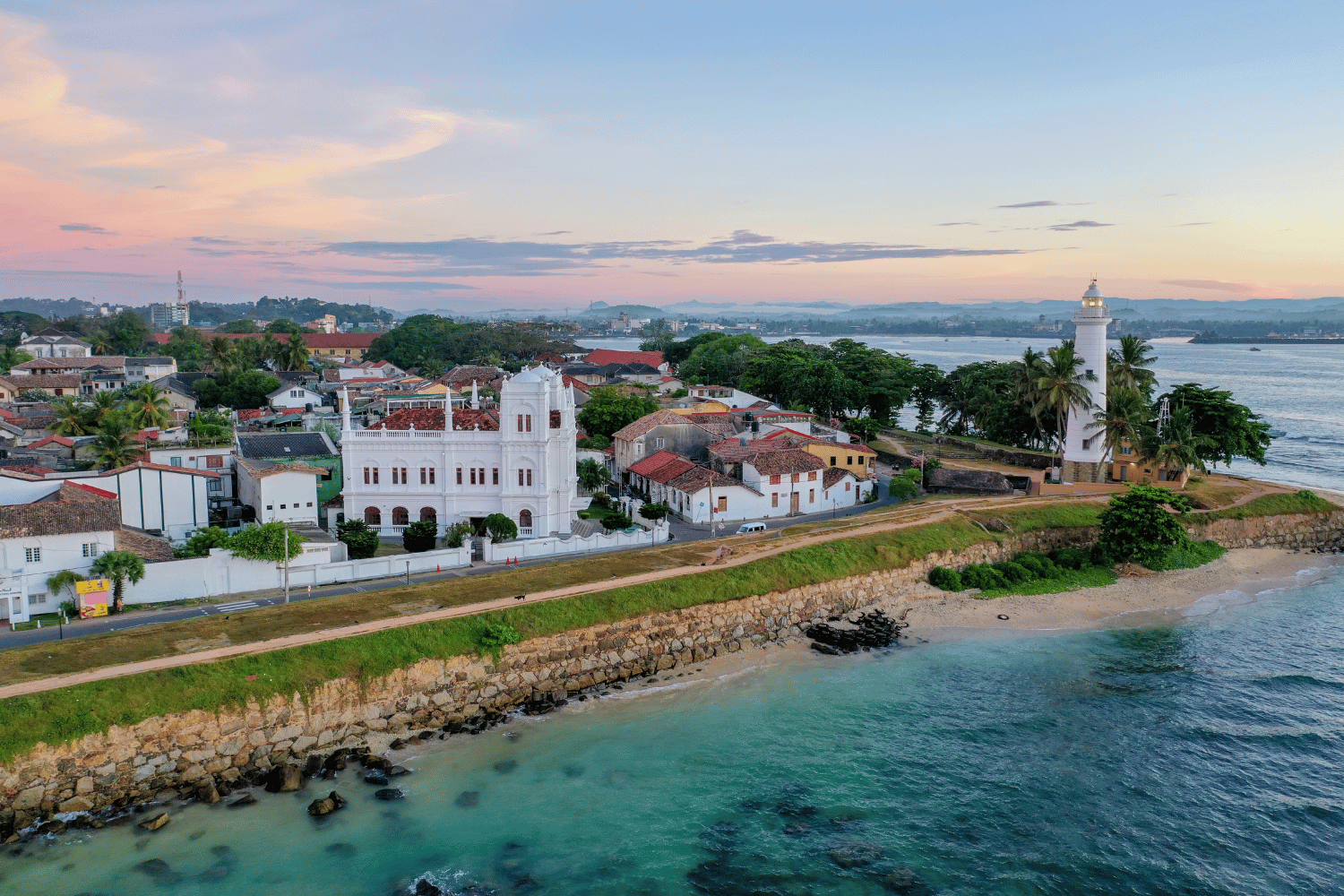
Located on the southern coast, Galle Fort represents Sri Lanka’s colonial history. Built by the Portuguese and later expanded by the Dutch, the fort is now a living heritage site with streets, cafes, and restored buildings.
It offers a different perspective on Sri Lanka’s cultural identity, blending European architecture with local influences.
Best Cultural Experiences and Things to Do in Sri Lanka
Sri Lankan Cultural experiences require a separate trip. Walkers Tours combine ancient sites with active cultural expression for an unforgettable cultural travel experience.
Temple Visits and Sacred Rituals
Temple visits in Sri Lanka are not only historical experiences but also active religious encounters. In ancient cities like Anuradhapura, travellers can witness pilgrims offering lotus flowers, lighting oil lamps, and performing rituals at sacred sites such as:
- Sri Maha Bodhi Tree – grown from the original tree under which Buddha attained enlightenment
- Ruwanwelisaya Stupa – one of the largest and most sacred stupas in Sri Lanka
- Jetavanaramaya – an ancient structure that was once among the tallest in the world
In Kandy, the Temple of the Tooth Relic (Sri Dalada Maligawa) hosts daily ceremonial rituals known as pooja. These include traditional drumming, chanting, and offerings, giving travellers direct insight into Sri Lanka’s living Buddhist traditions.
Kandyan Dance and Cultural Performances
Kandyan dance is one of Sri Lanka’s most recognized cultural traditions, originating from ancient royal courts and temple rituals. Performances are commonly held in Kandy and include:
- Ves dance – a classical form with elaborate costumes and rhythmic movements
- Fire walking and fire breathing
- Mask dances depicting folklore characters and spiritual rituals
- Traditional drumming using instruments such as the geta bera
These performances are deeply symbolic and were historically performed during religious ceremonies and royal events. Today, Cultural Tour planners like Walkers Tours provide travellers with an accessible introduction to Sri Lanka’s performing arts heritage.
Sigiriya Rock Fortress Experience
We mentioned it earlier in this article, climbing Sigiriya, a UNESCO World Heritage Site, is one of the most iconic cultural experiences in Sri Lanka. This 5th-century royal citadel combines architecture, engineering, and art in a single site.
The ascent includes:
- Water gardens and symmetrical landscaping at the base
- Sigiriya frescoes – ancient paintings of celestial maidens
- Mirror Wall inscriptions dating back over a thousand years
- Lion’s Paw gateway, the entrance to the upper palace
Archaeological Exploration in Polonnaruwa
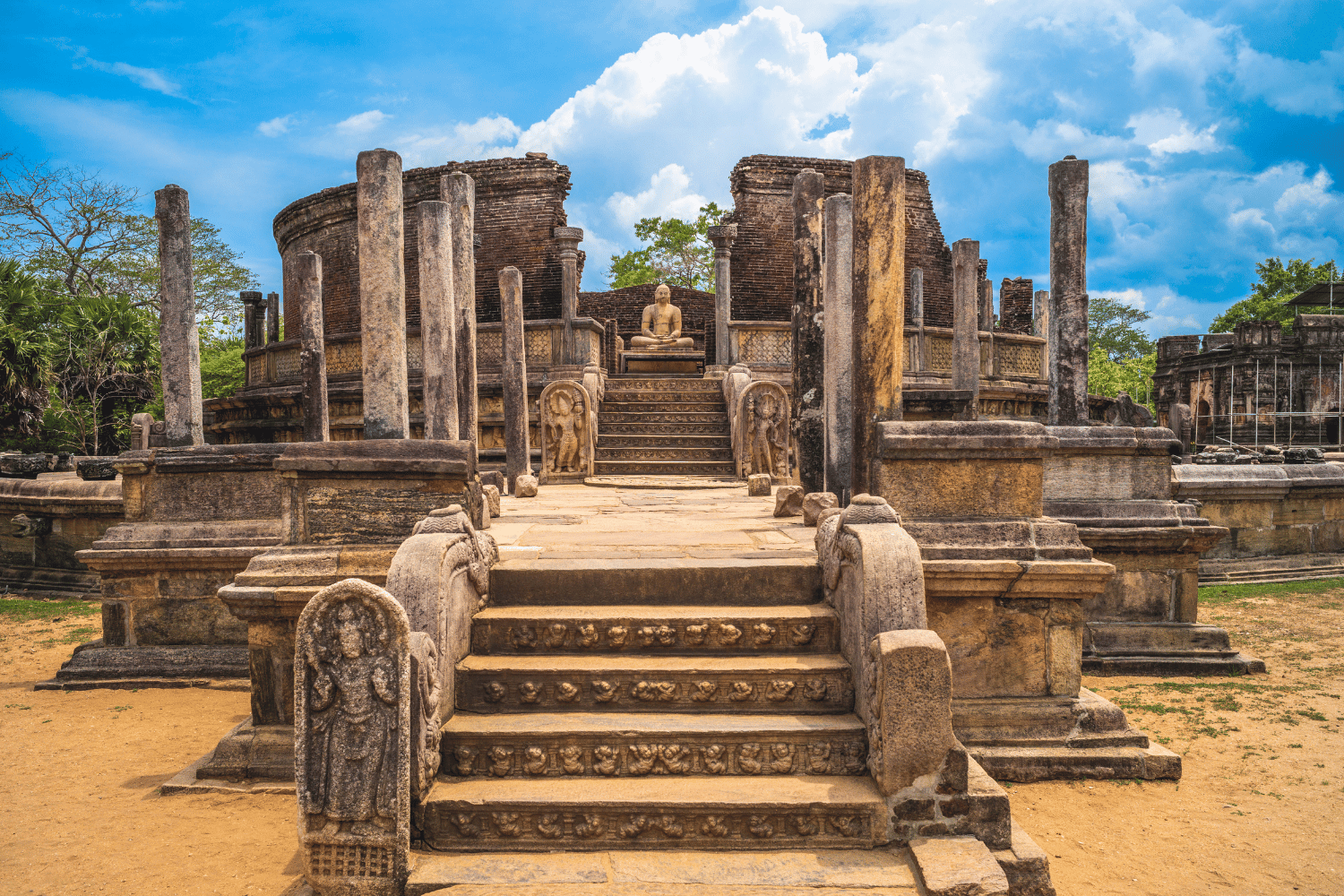
The ancient city of Polonnaruwa offers one of the most complete archaeological experiences in Sri Lanka. Unlike larger sites, Polonnaruwa is compact and often explored by bicycle.
Key highlights include:
- Gal Vihara – four Buddha statues carved from a single granite rock
- Parakrama Samudra – a vast man-made reservoir built by King Parakramabahu
- Royal Palace complex – remains of ancient administrative and residential buildings
- Lankathilaka and Vatadage – examples of evolved Buddhist architecture
Walkers Cultural Tours provide deeper insight into the symbolism, urban planning, and artistic techniques used in this medieval capital.
Dambulla Cave Temple Exploration
The Dambulla Cave Temple, a UNESCO World Heritage Site, is one of the most visually immersive cultural experiences in Sri Lanka.
The complex consists of five caves containing:
- Over 150 Buddha statues
- Extensive ceiling and wall murals depicting Buddhist stories
- The Maharaja Vihara cave, the largest and most elaborate
These caves have been used as a place of worship for over 2,000 years and represent different periods of Sri Lankan Buddhist art. The site also offers panoramic views of the surrounding countryside.
Village Experiences in Habarana and Hiriwadunna
Village tours in areas such as Habarana provide insight into Sri Lanka’s rural lifestyle and traditional practices.
Typical experiences include:
- Bullock cart rides through village paths
- Canoe rides across irrigation lakes (wewa)
- Visits to traditional homes and farms
- Demonstrations of chena cultivation (slash-and-burn agriculture)
Travellers can observe how local communities live, cook, and farm using techniques passed down through generations. These experiences offer a contrast to monumental heritage sites, focusing instead on everyday cultural life.
Traditional Sri Lankan Cooking Experiences
Sri Lankan cuisine is a key part of its cultural identity, and cooking experiences are often included in cultural tours.
Travellers can participate in preparing:
- Rice and curry meals with multiple vegetable dishes
- Pol sambol (coconut relish)
- Dhal curry and fish curry
- Cooking using clay pots and firewood stoves
These sessions often take place in village homes, providing a hands-on understanding of traditional cooking methods and ingredients.
Cultural Exploration in Jaffna
Northern Sri Lanka offers a distinct cultural identity shaped by Tamil heritage.
In Jaffna, travellers can explore:
- Jaffna Dutch Fort – a colonial-era fort with historical significance
- Jaffna Public Library – one of the most important cultural landmarks in the region
- Nagadeepa Island – a sacred Buddhist pilgrimage site
- Keerimalai Hot Water Springs – known for cultural and spiritual significance
- Point Pedro – the northernmost tip of Sri Lanka
Jaffna provides a different perspective on Sri Lanka’s cultural diversity, with strong influences from South Indian traditions.
Traditional Arts and Crafts
Sri Lanka’s cultural heritage also includes traditional crafts that continue to be practiced today.
- Mask making in Ambalangoda – used in ritual dances and healing ceremonies
- Batik and handloom textiles – combining traditional techniques with local designs
- Wood carving in Kandy – used in temples and traditional architecture
- Metalwork and bronze casting – creating statues and ceremonial objects
These crafts reflect regional identities and centuries-old artistic traditions.
Colombo Cultural Landmarks and the Red Mosque
Sri Lanka’s capital city offers a mix of modern and historic cultural experiences.
One of the most iconic landmarks is the Red Mosque (Jami Ul-Alfar Mosque) in Pettah, known for its:
- Distinctive red and white striped architecture
- Indo-Islamic design influences
- Historical significance as a landmark for traders arriving by sea
Exploring Colombo also includes city tours, markets, and colonial-era buildings that reflect the island’s multicultural identity.
Cultural Festivals and Religious Celebrations
Sri Lanka’s festivals are among the most vibrant cultural experiences on the island.
Esala Perahera in Kandy
Esala Perahera is one of Asia’s most famous cultural festivals, featuring decorated elephants carrying sacred relics, traditional dancers and drummers, and fire performers and torchbearers. Held annually in July or August, this procession reflects centuries-old religious traditions.
Vesak Festival (May)
Celebrating the birth, enlightenment, and passing of Buddha, Vesak transforms Sri Lanka with illuminated lanterns (Vesak koodu), decorative storytelling panels, and free food stalls (dansal)
Poson Festival (June)
Commemorating the introduction of Buddhism to Sri Lanka, Poson is centred around Anuradhapura and Mihintale, with religious pilgrimages and ceremonies.
Cultural Tour Itineraries with Walkers Tours
Sri Lanka’s cultural heritage is best explored through curated itineraries that connect ancient cities, temples, and regional experiences. Walkers Tours offers structured journeys designed to cover both iconic landmarks and lesser-known cultural sites.
A Historical Journey (5 Nights / 6 Days)
A shorter cultural itinerary focusing on key highlights of Sri Lanka’s heritage.
Includes:
- Kandy – Temple of the Tooth Relic
- Dambulla Cave Temple
- Sigiriya Rock Fortress
- Polonnaruwa ancient city
- Colombo city experience, including the Red Mosque
This journey is ideal for travellers with limited time who want a concentrated cultural experience.
The Cultural Odyssey (8 Nights / 9 Days)
A more immersive journey covering the Cultural Triangle and additional heritage sites.
Includes:
- Kandy – Temple of the Tooth, Embekke, Lankathilaka, and Gadaladeniya temples
- Sigiriya, Dambulla, and Polonnaruwa
- Anuradhapura – ancient capital
- Hiriwadunna village experience
- Nuwara Eliya – Seetha Amman Temple
- Colombo cultural exploration
This itinerary provides a balanced mix of major heritage sites and local cultural experiences.
The Ultimate Legacy (14 Nights / 15 Days)
A comprehensive cultural journey across multiple regions of Sri Lanka.
Includes:
- Anuradhapura, Polonnaruwa, Sigiriya, and Dambulla
- Kandy cultural sites and temples
- Jaffna region – Dutch Fort, Nagadeepa Island, cultural landmarks
- Kataragama Temple – major pilgrimage site
- Ella and Nuwara Eliya – cultural and scenic highlands
- Galle Fort – colonial heritage
- Colombo city tour, including the Red Mosque
This extended itinerary offers a complete exploration of Sri Lanka’s cultural diversity, from ancient kingdoms to regional traditions. Explore all Cultural Tours Itineraries.
Why Travelers Choose Walkers Tours
Established destination management companies such as Walkers Tours are often preferred by travellers seeking curated cultural itineraries across Sri Lanka.
With decades of experience, Walkers Tours offers structured journeys that connect ancient cities, temples, and cultural experiences with other regions of the island. Their itineraries are designed to balance travel time, site visits, and overall experience.
Multilingual guides, private transport options, and tailored itineraries allow travellers to explore Sri Lanka’s cultural heritage with greater depth and convenience.
Planning Tips for Cultural Tours
- How many days to plan: Most travellers spend 3–5 days in the Cultural Triangle, with additional time for Kandy and other regions.
- Travel routes: Planning routes carefully helps reduce travel time and ensures a smoother journey between destinations.
- Combining regions: Cultural tours can be combined with the best beach tours, wildlife, or hill country experiences.
- What to wear: Modest clothing is required when visiting temples. Shoulders and knees should be covered, and footwear must be removed.
Mistakes Travelers Make When Booking Cultural Tours in Sri Lanka
Planning a cultural tour in Sri Lanka requires more than selecting destinations. Many travellers make avoidable mistakes that can affect the quality of their experience.
- Not Understanding Travel Distances Between Cultural Sites
Sri Lanka may look compact, but travel between destinations like Anuradhapura, Polonnaruwa, Kandy, and Sigiriya can take several hours. Poor planning can result in rushed itineraries and unnecessary fatigue.
- Trying to Cover Too Many Sites in a Short Time
Many travellers attempt to visit all major cultural landmarks within a few days. This often leads to a surface-level experience rather than meaningful exploration of each site.
- Ignoring Seasonal and Weather Conditions
While cultural sites are accessible year-round, heat and rainfall can impact comfort, especially in the Cultural Triangle. Midday visits to places like Sigiriya can be physically demanding without proper planning
- Visiting Without a Guide or Context
Exploring ancient cities without a guide can limit understanding. Sites such as Polonnaruwa and Anuradhapura have deep historical and symbolic significance that is not always obvious without explanation.
- Not Dressing Appropriately for Religious Sites
Temples in Sri Lanka require modest attire. Travellers who arrive without covering shoulders and knees may be denied entry or feel unprepared for visits.
- Missing Cultural Experiences Beyond Monuments
Focusing only on major landmarks can result in missing village experiences, traditional performances, and local interactions that provide deeper cultural insight.
- Booking Generic, Fixed Itineraries
Rigid tour packages may not align with traveller interests or pacing preferences. Cultural travel benefits from flexible itineraries that allow time for exploration and rest.
- Not Planning Around Festivals
Festivals such as Esala Perahera or Vesak can enhance the experience significantly. Travellers who do not plan for these may miss unique cultural moments or face availability issues.
FAQs
What is included in a cultural tour in Sri Lanka?
Cultural tours typically include visits to ancient cities, temples, and UNESCO heritage sites, along with guided experiences, transport, and accommodation depending on the itinerary.
How many days do you need for the Cultural Triangle?
Most travellers spend between three and five days exploring the Cultural Triangle, allowing enough time to visit Sigiriya, Anuradhapura, Polonnaruwa, and nearby sites.
Is Sigiriya worth visiting?
Sigiriya is one of Sri Lanka’s most iconic landmarks and a UNESCO World Heritage Site. Its historical significance, architecture, and views make it a must-visit destination.
Can you combine cultural and beach tours in Sri Lanka?
Yes. Many itineraries combine cultural sites with coastal destinations, allowing travellers to experience both heritage and relaxation in one trip.
What should I wear when visiting temples in Sri Lanka?
Visitors are expected to dress modestly when entering temples. Clothing should cover shoulders and knees, and shoes must be removed before entering sacred areas.
What is the best time to visit Sri Lanka’s cultural sites?
November to April offers the most comfortable conditions for exploring the Cultural Triangle, with less rainfall and clearer skies. Hill country destinations like Kandy remain pleasant year-round, while visiting during major festivals such as Esala Perahera or Vesak can provide a more immersive cultural experience, though it requires advance planning.
Do you need a guide for cultural tours in Sri Lanka?
While it is possible to visit sites independently, having a guide significantly enhances the experience. Guides provide historical context, explain symbolism, and help navigate large archaeological sites more efficiently.
Conclusion
Sri Lanka offers one of the richest cultural travel experiences in Asia, combining ancient cities, sacred temples, and living traditions within a compact island. With careful planning, travellers can explore multiple cultural regions while combining them with other experiences across the country. Guided tours provide valuable context and simplify logistics, making the journey more meaningful.
For those seeking a well-structured cultural itinerary, working with experienced operators such as Walkers Tours offers a seamless way to explore Sri Lanka’s heritage.