Top Experiences in Sri Lanka’s Cultural Triangle and Beyond
Culture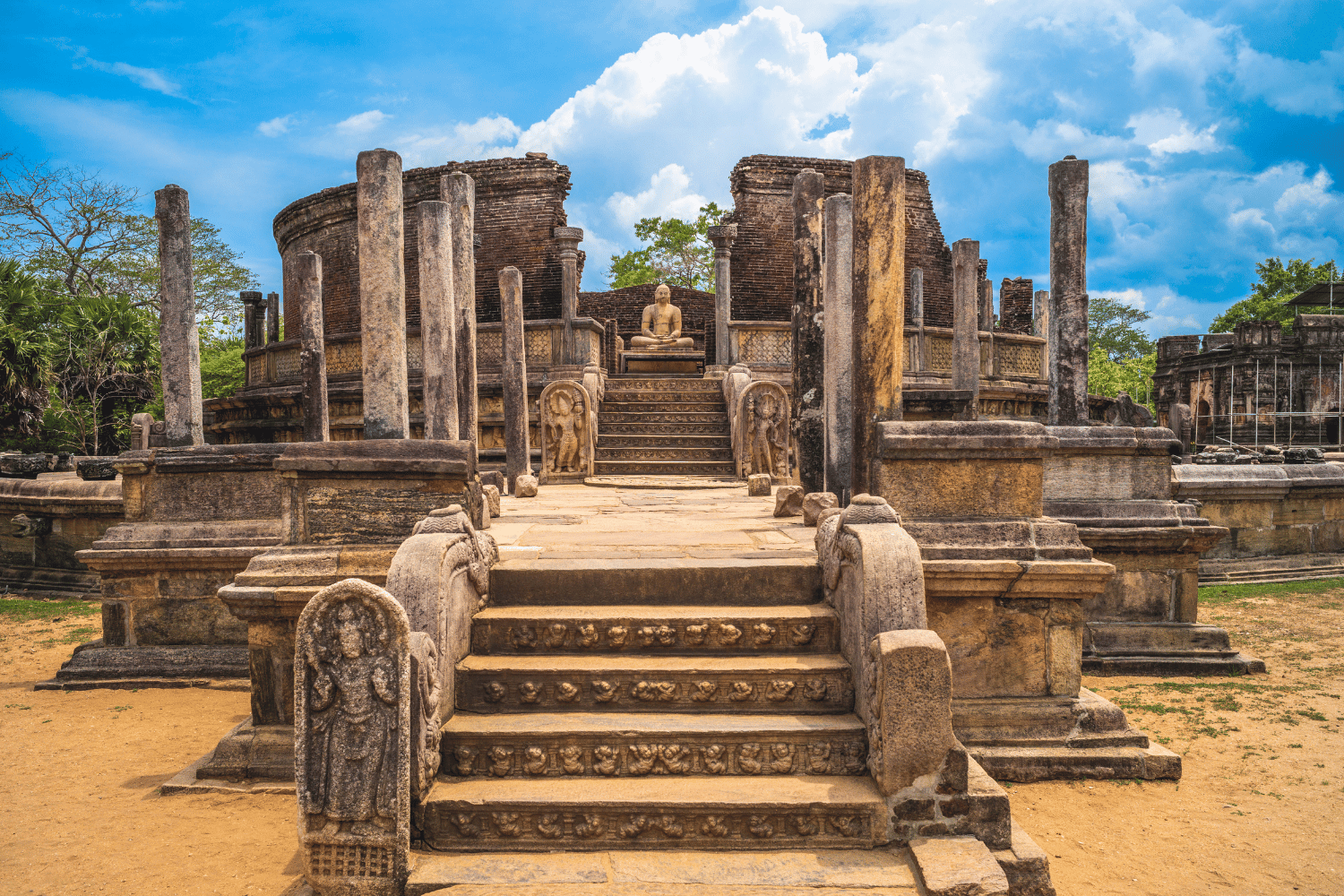
Sri Lanka’s Cultural Triangle includes Anuradhapura, Sigiriya-Dambulla, and Polonnaruwa, three of the country’s most important UNESCO heritage regions known for ancient cities, cave temples, rock fortresses, and Buddhist history. Most travellers spend 5-6 days exploring the Cultural Triangle as part of a broader Sri Lanka itinerary.
Quick Summary
- Main highlights of this article: Anuradhapura, Sigiriya Rock Fortress, Dambulla Cave Temple, Polonnaruwa ruins, and Kandy Temple of the Tooth Relics.
- Best for: Culture, history, first-time Sri Lanka travellers
- Ideal trip duration: 5–6 days
- Travel insight: Best explored together due to proximity
- Guided planning: Walkers Tours curated Cultural Triangle itineraries
Many travellers begin their Sri Lanka journey with one question: which cultural sites are actually worth prioritizing? The Cultural Triangle answers that quickly, bringing together ancient kingdoms, sacred temples, rock fortresses, and archaeological cities within a relatively connected region.
Although the major sites are geographically close, the overall experience depends heavily on how the route is planned. Combining destinations thoughtfully allows travellers to experience not only the landmarks themselves, but also village life, local traditions, wildlife, and the changing landscapes between each stop.
What is Sri Lanka’s Cultural Triangle?
Sri Lanka’s Cultural Triangle refers to the heritage region connecting Anuradhapura, Polonnaruwa, and Kandy, with Sigiriya and Dambulla forming its most visited core destinations. The area contains some of the country’s highest concentrations of UNESCO heritage sites, ancient Buddhist landmarks, royal cities, and archaeological monuments.
The region reflects over 2,000 years of Sri Lankan civilization, combining religious heritage, advanced ancient engineering, and living Buddhist traditions within relatively short travel distances.
Why the Cultural Triangle is One of Asia’s Best Heritage Regions
Sri Lanka’s Cultural Triangle contains some of the highest concentrations of ancient heritage sites in South Asia. Unlike many historical destinations that focus on a single monument or city, this region combines multiple experiences within a compact route.
Key reasons travellers visit include:
- UNESCO World Heritage Sites located within close proximity
- Ancient kingdoms dating back over two millennia
- Buddhist temples, monasteries, and sacred landmarks still actively used today
- Sophisticated ancient irrigation systems and urban planning
- Easy connections between culture, wildlife, and village experiences
The Cultural Triangle is not simply a collection of ruins. It is a living cultural landscape where history, religion, and everyday life continue to intersect.
Anuradhapura Ancient City
Anuradhapura was the first ancient capital of Sri Lanka and remains one of the country’s most sacred and historically significant cities. This UNESCO World Heritage Site was the centre of Sri Lankan civilization for over a thousand years and is known for its massive stupas, ancient monasteries, and sophisticated irrigation systems.
Top Experiences in Anuradhapura
- Sri Maha Bodhi Tree: One of the most sacred Buddhist sites in Sri Lanka, grown from the original tree under which Buddha attained enlightenment.
- Ruwanwelisaya Stupa: A massive white stupa considered one of the most important Buddhist monuments on the island.
- Jetavanaramaya: An enormous ancient structure that was once among the tallest buildings in the ancient world.
- Cycling Through the Ancient City: Many travellers explore the archaeological zone by bicycle, allowing a slower and more immersive experience between ruins and monasteries.
Sigiriya Rock Fortress
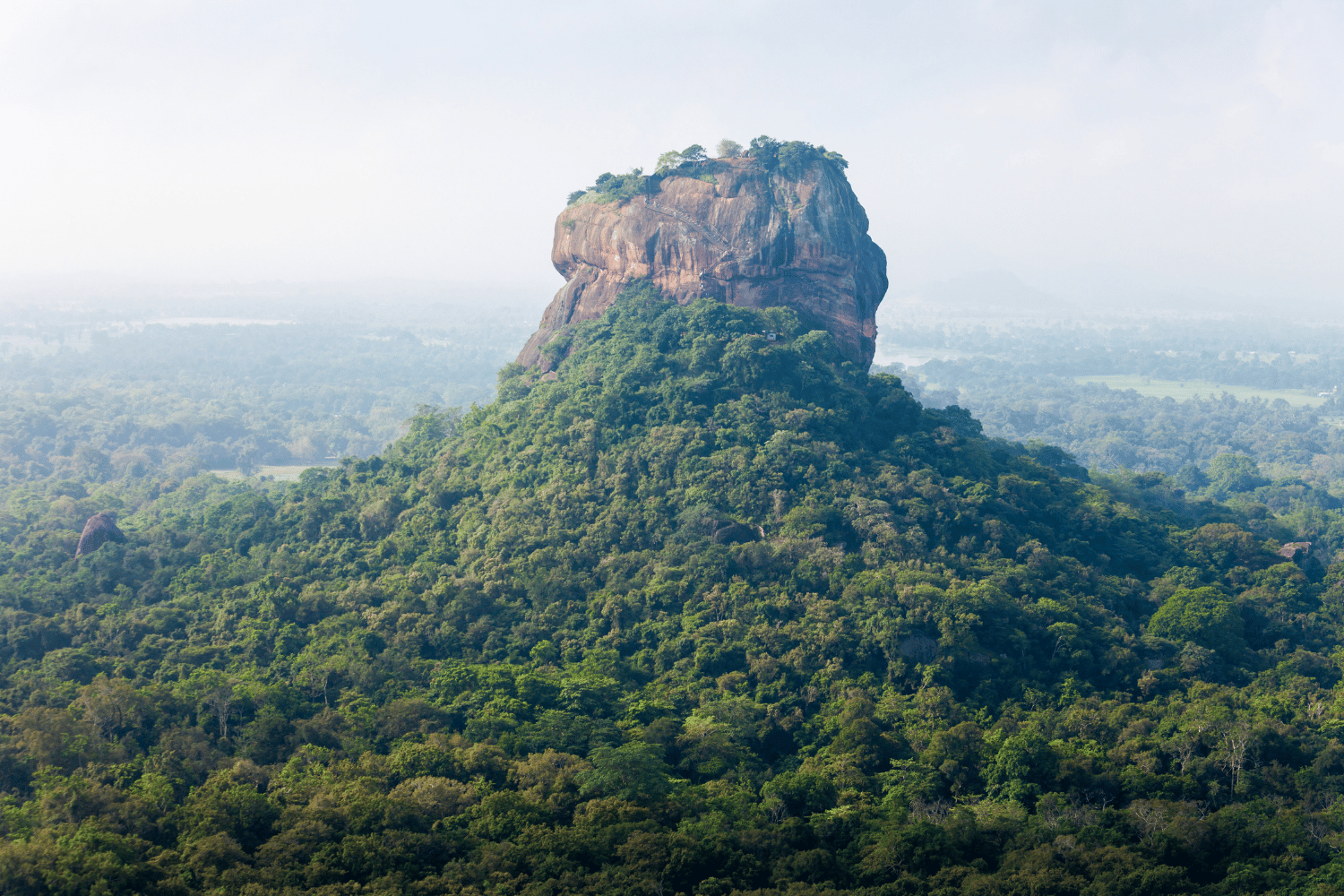
Sigiriya is one of Sri Lanka’s most iconic landmarks and one of the most recognized heritage sites in Asia. Rising dramatically above the surrounding plains, this UNESCO World Heritage Site was once a royal citadel built by King Kashyapa in the 5th century.
Top Experiences in Sigiriya
- Climbing Sigiriya Rock: The climb to the summit is the main attraction, taking visitors through ancient stairways, terraces, and dramatic rock formations. Early morning climbs are especially popular due to cooler temperatures and softer light.
- Sigiriya Frescoes: The famous frescoes depict celestial maidens painted directly onto the rock face. They remain among the best-preserved examples of ancient Sri Lankan art.
- Water Gardens & Royal Grounds: The landscaped gardens at the base demonstrate sophisticated hydraulic engineering that was centuries ahead of its time.
- Pidurangala Rock: Located nearby, Pidurangala offers panoramic views of Sigiriya itself and has become popular for sunrise hikes.
Dambulla Cave Temple
Located a short drive from Sigiriya, Dambulla Cave Temple is one of Sri Lanka’s most important Buddhist pilgrimage sites and a UNESCO World Heritage Site. The temple complex consists of five caves carved into a massive rock formation.
Top Experiences in Dambulla
- Cave Paintings & Murals: The cave interiors are covered in detailed paintings depicting Buddhist stories, historical events, and decorative motifs.
- Reclining Buddha Statues: Several caves feature large reclining Buddha statues carved directly into the rock.
- Panoramic Views: The elevated location offers sweeping views of the surrounding countryside and forests.
Polonnaruwa Ancient City
Polonnaruwa served as Sri Lanka’s medieval capital and is now one of the country’s most important archaeological cities. Compared to Sigiriya, the experience here feels more expansive and immersive, with ancient ruins spread across a large historical zone.
Polonnaruwa offers one of Sri Lanka’s most immersive archaeological experiences.
Top Experiences in Polonnaruwa
- Gal Vihara: This sacred site features four Buddha statues carved from a single granite rock, considered masterpieces of Sri Lankan stone sculpture.
- Royal Palace Ruins: Travellers can walk through remains of ancient administrative buildings and royal compounds.
- Cycling Through the Ruins: Many visitors explore Polonnaruwa by bicycle, creating a slower and more atmospheric experience.
- Ancient Reservoirs: Large man-made lakes and irrigation systems demonstrate the advanced engineering skills of ancient Sri Lankan civilization.
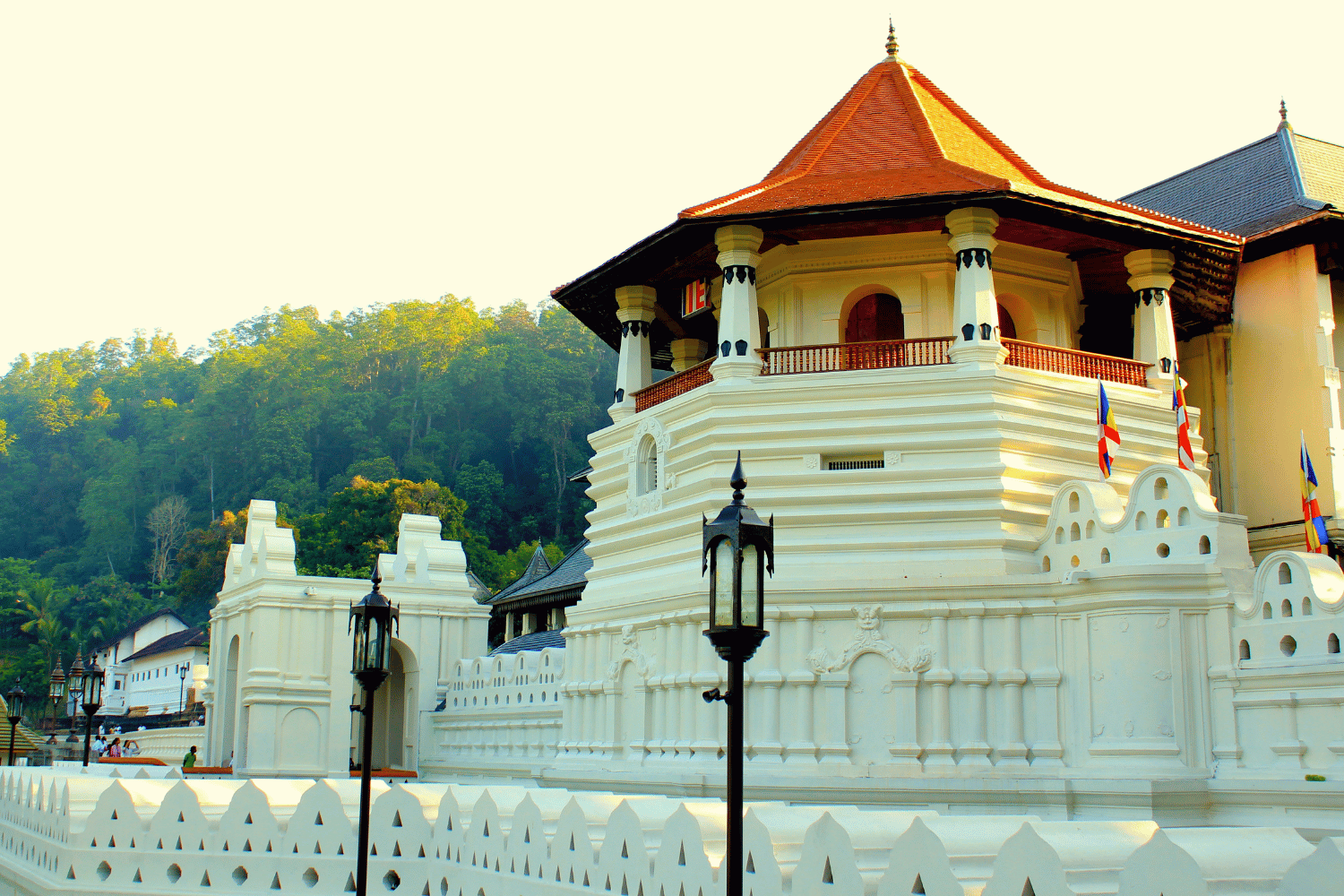
Kandy & Temple of the Tooth Relic
Kandy is Sri Lanka’s cultural capital and one of the country’s most spiritually important destinations. Surrounded by hills and centred around a scenic lake, the city blends religious heritage, colonial influences, and traditional arts within a compact urban setting.
Top Experiences in Kandy
- Temple of the Tooth Relic: The spiritual centre of Kandy, known for its ceremonial rituals, traditional drumming, and historic significance.
- Kandy Lake: A scenic area ideal for relaxed walks and views of the surrounding hills and temples.
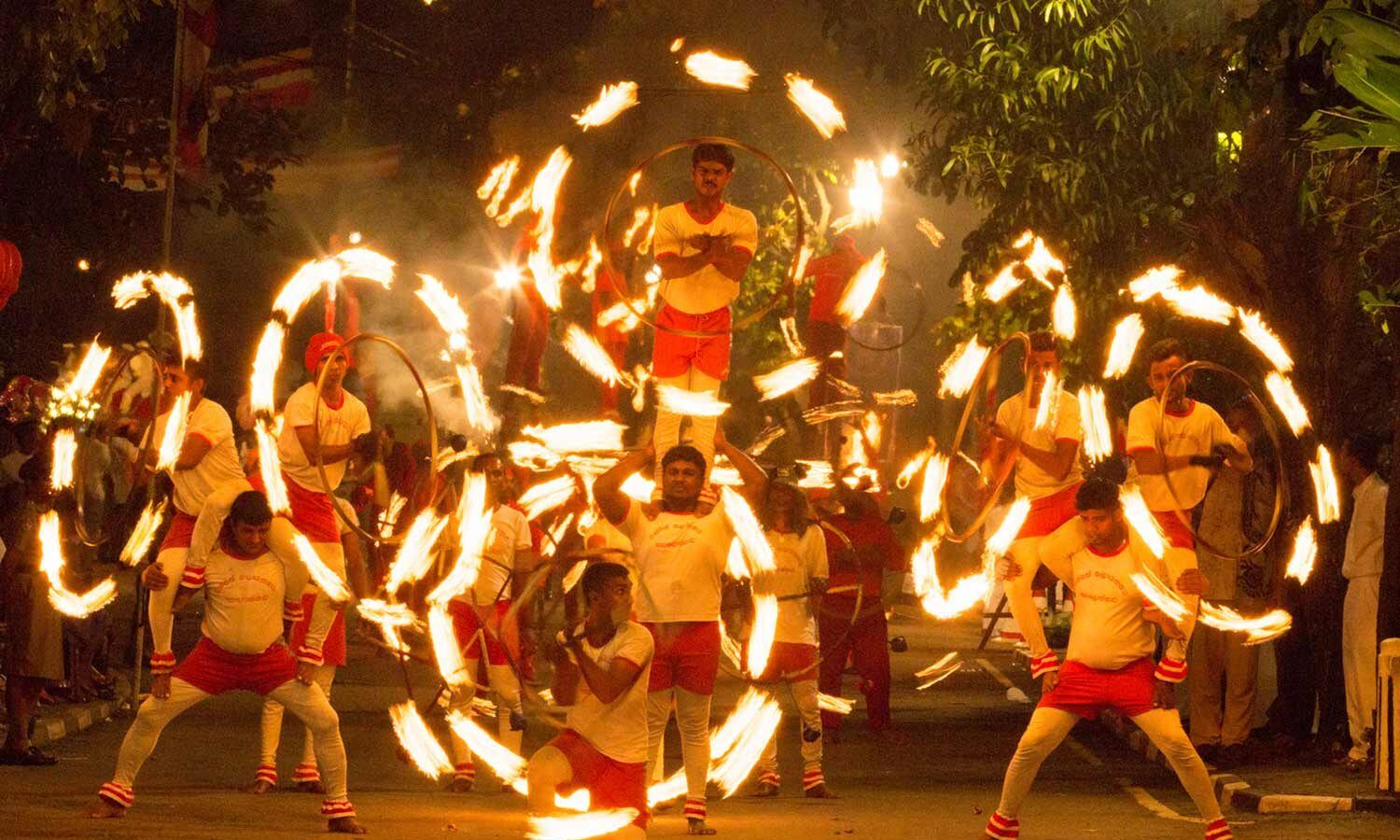
- Traditional Kandyan Dance Performances: Cultural shows featuring drumming, fire performances, and classical Sri Lankan dance traditions.
- Nearby Historic Temples: Sites such as Embekke, Lankathilake, and Gadaladeniya showcase traditional Sri Lankan temple architecture and craftsmanship.
With Walkers Tours, travellers now can explore all these cultural destinations and beyond in one tour.
Top Cultural Tour Experiences in Sri Lanka (Comparison)
| Destination | Best For | Ideal Time Needed | Main Highlight |
| Sigiriya | Iconic views, history, and first-time visitors | Half day to full day | Rock Fortress, frescoes, and summit views |
| Dambulla | Buddhist heritage and temple art | 2–3 hours | Cave murals, Buddha statues, and rock temple complex |
| Polonnaruwa | Archaeology and ancient city exploration | Full day | Royal ruins, Gal Vihara, and cycling through heritage sites |
| Anuradhapura | Sacred Buddhist history and ancient kingdoms | Full day to 2 days | Sri Maha Bodhi Tree, stupas, and monastery complexes |
| Kandy | Spiritual heritage and cultural traditions | 1–2 days | Temple of the Tooth Relic and Kandyan cultural experiences |
Best Cultural Triangle Itineraries
2-Day Cultural Triangle Route
This shorter cultural tours itinerary is ideal for travellers with limited time who want to experience Sri Lanka’s most iconic cultural landmarks efficiently.
Base yourself in Sigiriya or Dambulla and combine a Sigiriya Rock Fortress climb with visits to the Dambulla Cave Temple. Many travellers also include a village experience in Hiriwadunna or an evening safari at Minneriya National Park.
5–6 Day Heritage Journey
A longer heritage-focused route allows travellers to explore the Cultural Triangle at a more comfortable pace while adding deeper historical and spiritual experiences.
Typical itineraries include:
- Sigiriya Rock Fortress
- Dambulla Cave Temple
- Polonnaruwa Ancient City
- Kandy and the Temple of the Tooth Relic
- Traditional temple visits such as Embekke, Lankathilake, and Gadaladeniya
This style of itinerary reflects shorter cultural journeys curated by Walkers Tours, where heritage sites are connected through manageable travel routes and balanced pacing.
8–9 Day Cultural & Scenic Route
Travellers with additional time often combine the Cultural Triangle with Sri Lanka’s hill country landscapes and rural experiences.
These extended journeys may include:
- Sigiriya and Dambulla
- Polonnaruwa and Anuradhapura
- Village experiences in Hiriwadunna
- Kandy cultural landmarks
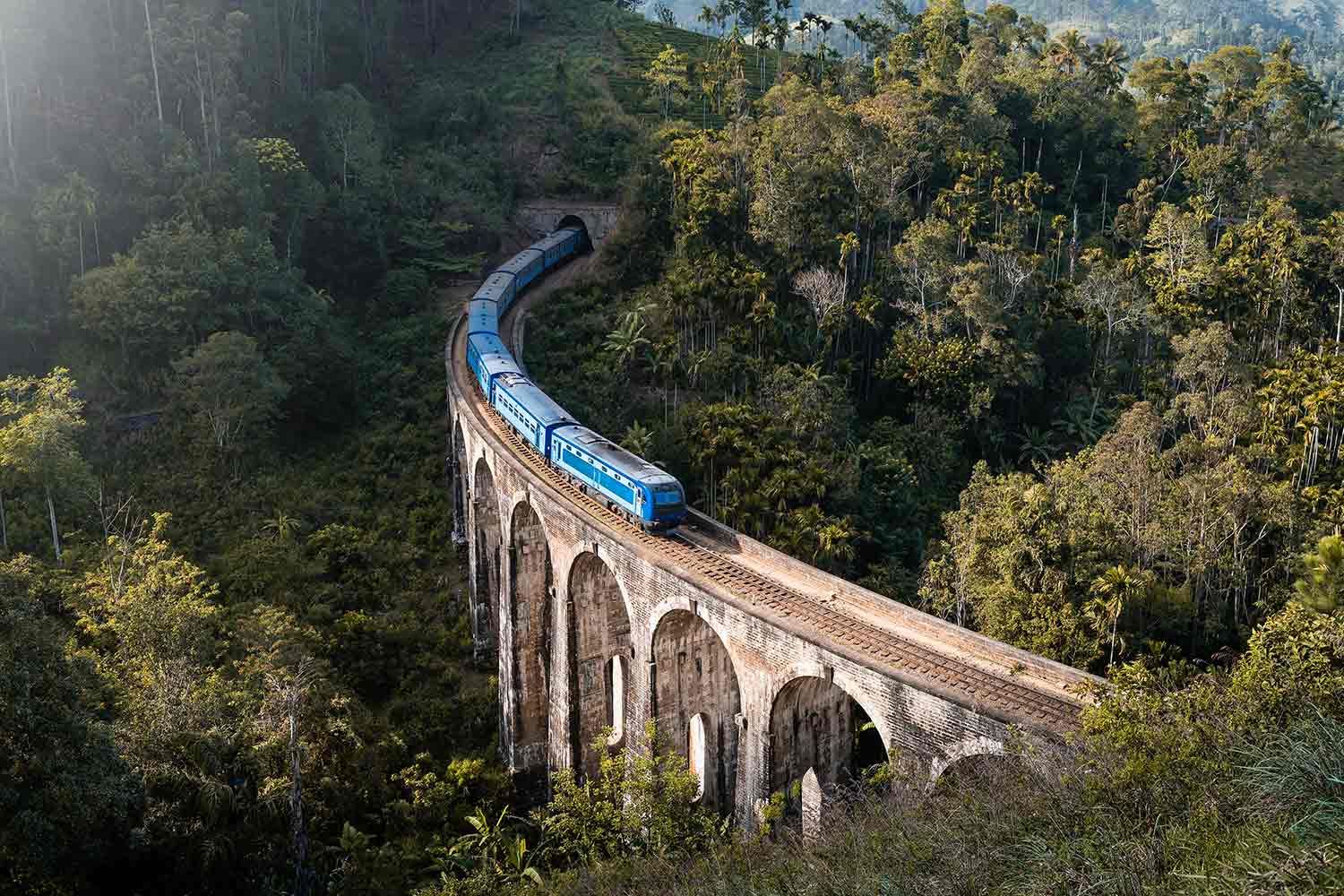
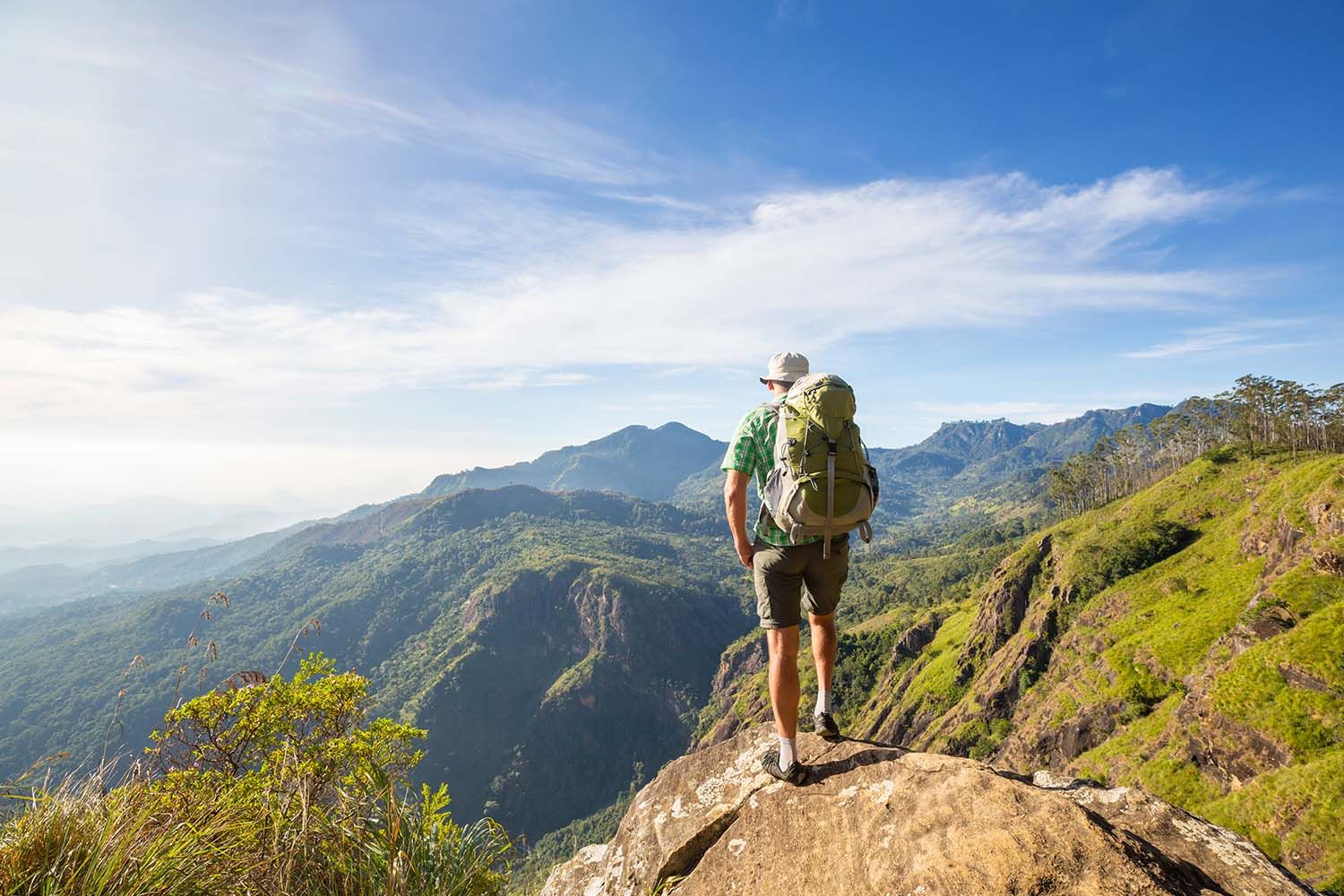
- Scenic train journeys into Nuwara Eliya
- Colombo city exploration
This type of route creates a broader understanding of Sri Lanka by combining archaeology, religion, landscapes, and local culture within a single itinerary.
14–15 Day Complete Heritage Journey
Longer heritage itineraries explore Sri Lanka more comprehensively by connecting the Cultural Triangle with northern heritage regions, hill country landscapes, southern coastal destinations, and sacred pilgrimage towns.
These routes may include:
- Sigiriya, Dambulla, and Polonnaruwa
- Anuradhapura and Ritigala
- Jaffna cultural landmarks such as Nagadeepa Island and Jaffna Fort
- Kandy and Nuwara Eliya
- Kataragama pilgrimage sites
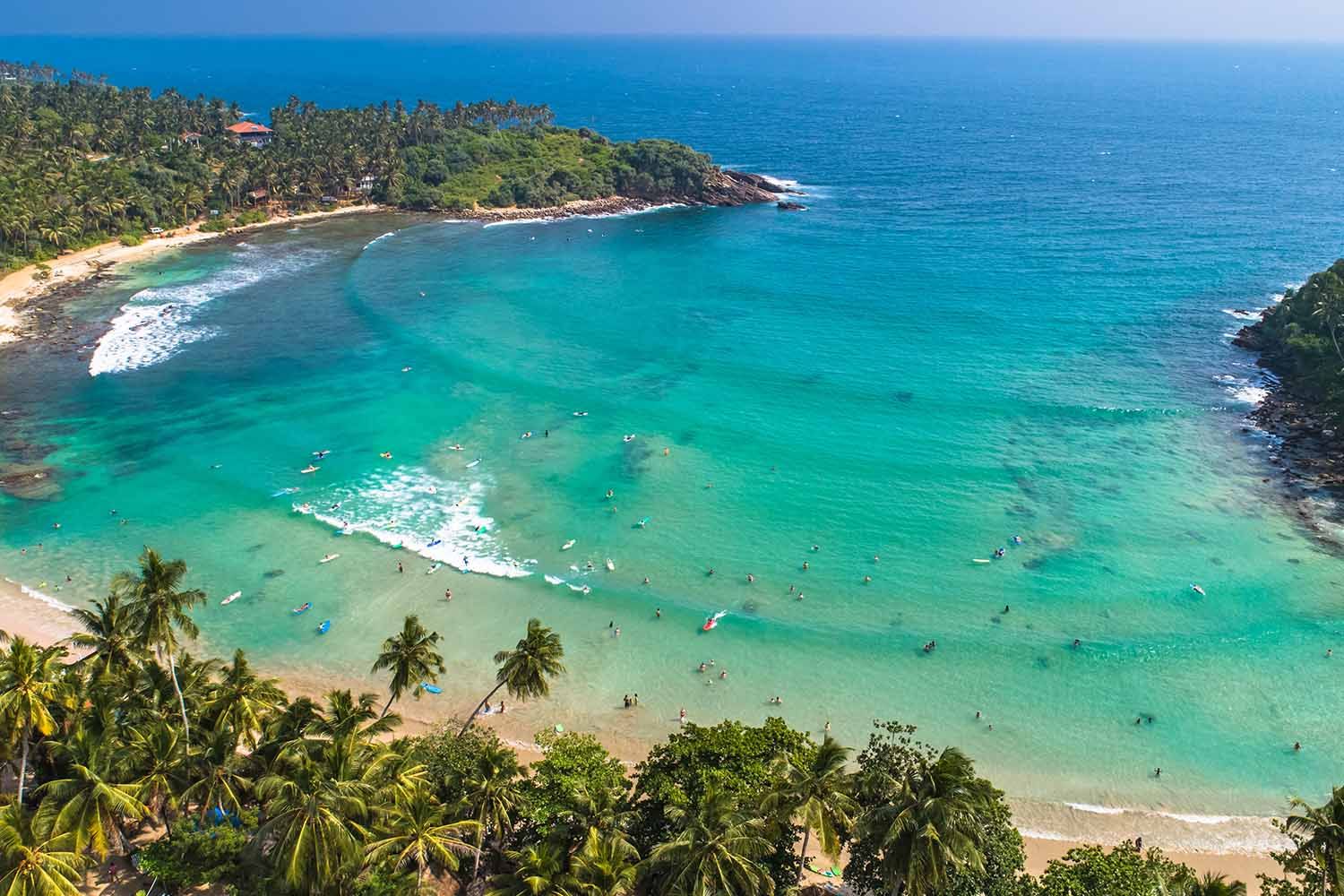
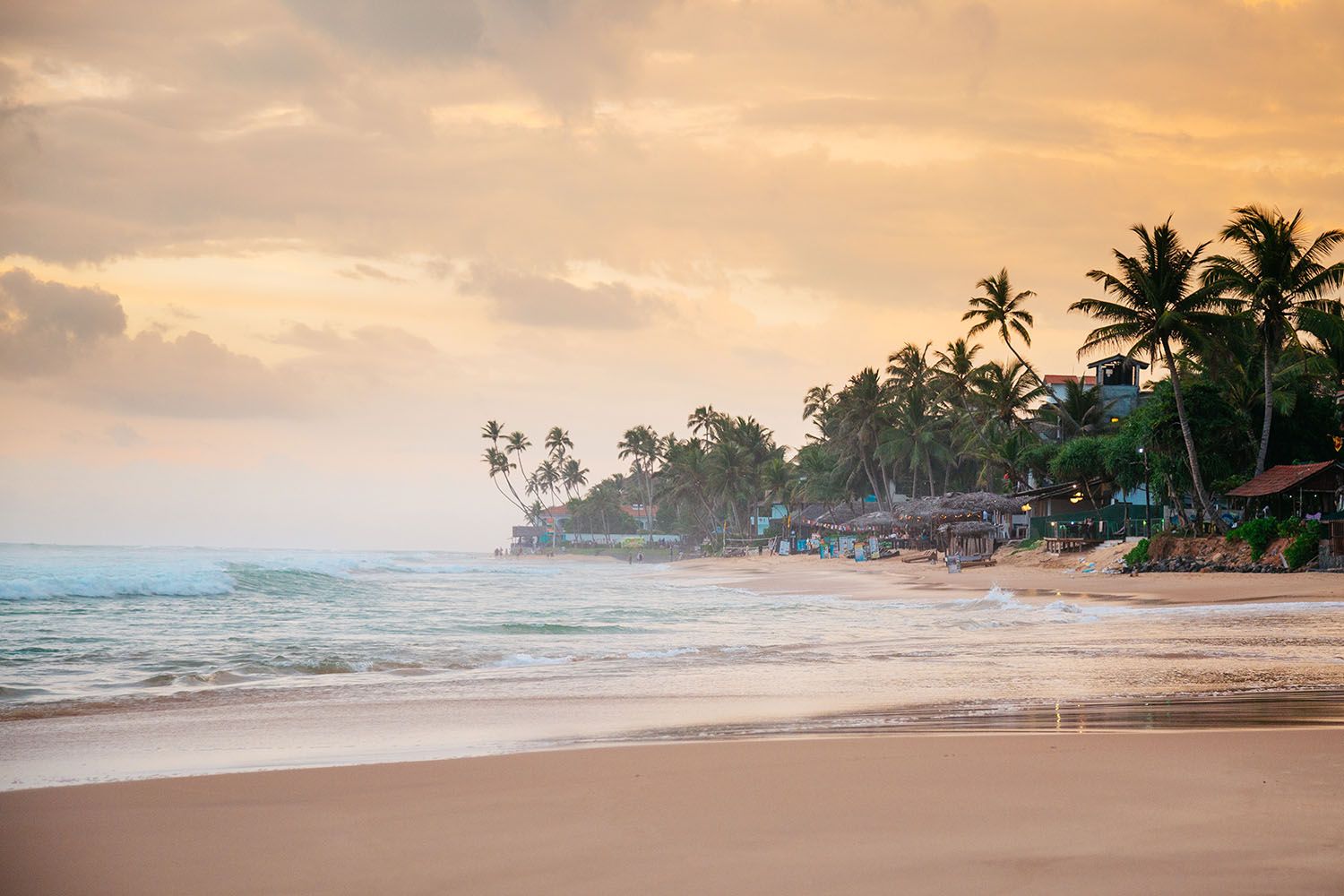
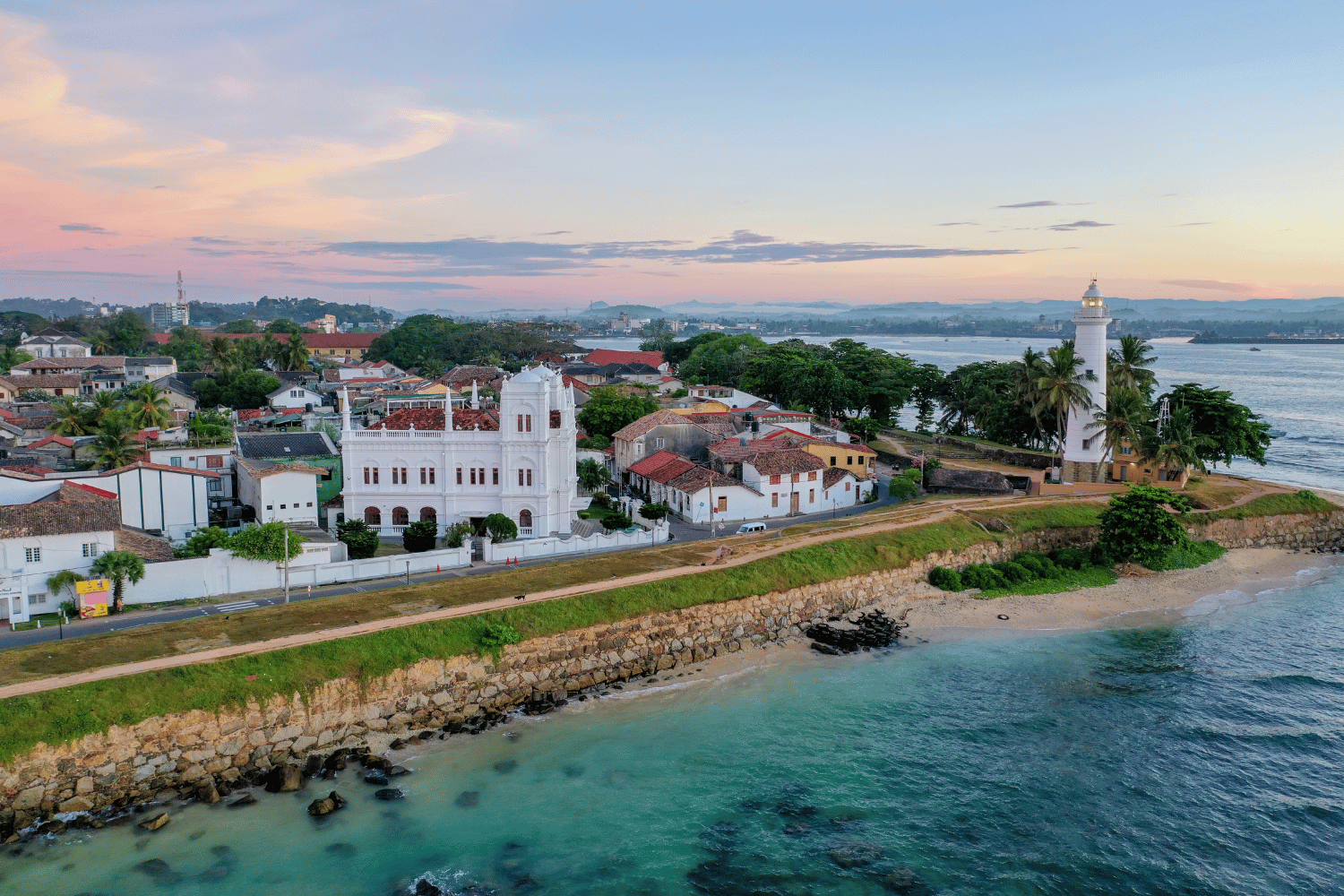
- Southern coastal stops including Galle and Mirissa
This style of extended journey is suited for travellers who want a deeper and slower exploration of Sri Lanka’s cultural diversity while minimizing route inefficiencies through structured planning.
Best Time to Visit the Cultural Triangle
The Cultural Triangle can be visited throughout the year, but the most comfortable conditions are generally between December and April when rainfall is lower and skies are clearer.
Temperatures in the region can become extremely hot during midday, especially around Sigiriya and Polonnaruwa. Early morning visits are strongly recommended.
If visiting Sigiriya, early morning climbs provide cooler temperatures and fewer crowds.
Planning Trips for the Cultural Triangle
- Stay in central locations such as Sigiriya or Habarana to reduce travel time between attractions
- Start major site visits early in the morning to avoid heat and crowds
- Combine nearby attractions instead of attempting long daily transfers
- Allow downtime between heritage visits, especially during warmer months

FAQs
How many days do you need for the Cultural Triangle?
Most travellers spend between 2 and 5 days exploring the Cultural Triangle. This allows enough time to visit Anuradhapura, Sigiriya, Dambulla, Polonnaruwa and Kandy comfortably without rushing between sites.
Is Sigiriya worth visiting?
Yes. Sigiriya is considered one of Sri Lanka’s most iconic attractions due to its combination of history, architecture, ancient art, and panoramic views from the summit.
What is the best base for the Cultural Triangle?
Sigiriya and Habarana are commonly considered the best bases because they provide convenient access to Dambulla, Polonnaruwa, safari parks, and nearby cultural experiences.
Can you visit Sigiriya and Dambulla in one day?
Yes, many travellers combine Sigiriya and Dambulla within a single day because the two sites are located relatively close to each other. Starting early makes the experience more comfortable.
What is the best time to visit Sigiriya?
The best time to climb Sigiriya is early morning, particularly between December and April when temperatures are cooler and visibility is clearer.
Final Thoughts
Sri Lanka’s Cultural Triangle remains one of the most rewarding heritage regions in Asia, combining ancient cities, sacred temples, archaeological landmarks, and living Buddhist traditions within a relatively compact area.
From exploring ancient ruins in Anuradhapura and climbing Sigiriya Rock Fortress to exploring Dambulla’s cave temples and cycling through Polonnaruwa’s ruins, the region offers a deep and immersive cultural experience that suits both first-time and returning travellers.
Explore Sri Lanka’s Cultural Triangle and beyond, through curated heritage journeys with Walkers Tours.