Sri Lanka’s Tea Country Beyond the Postcard: A Planter’s-Eye Guide to Ceylon Tea Estates and Tastings
Culture . Experiences . Scenic Culture . Experiences . Scenic Culture . Experiences . Scenic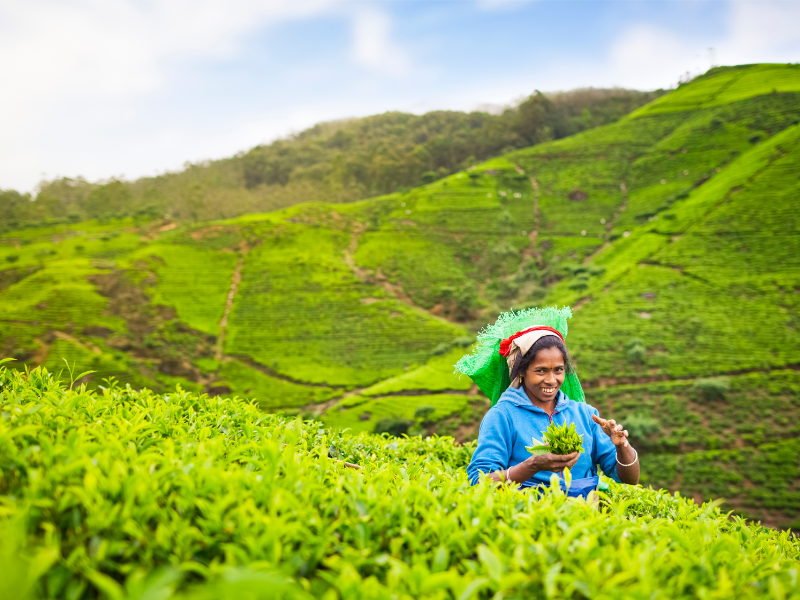
Sri Lanka’s tea country is best experienced by going beyond scenic viewpoints and visiting working estates, factories and tasting rooms where you can see how Ceylon tea changes from leaf to finished tea. Nuwara Eliya, Dimbula, Uva, Kandy and Sabaragamuwa produce teas with different characteristics because of elevation, climate and processing. For travellers, the most rewarding experience combines an estate visit, factory walkthrough, guided tasting and time to understand the landscape behind the cup.
Quick Summary
- Sri Lanka’s tea country is not one uniform region; altitude, weather and terrain create different growing conditions and tea characteristics.
- A working estate visit offers more than a scenic viewpoint, showing how tea is cultivated, plucked, processed and graded.
- Nuwara Eliya, Dimbula, Uva, Kandy and Sabaragamuwa offer different tea landscapes and tasting experiences.
- Ceylon tea tasting is about more than strength or colour; aroma, brightness, body, flavour and finish all matter.
- The best tea-country experiences leave time to slow down, combining estates and factories with hill-country scenery, walking and local experiences.
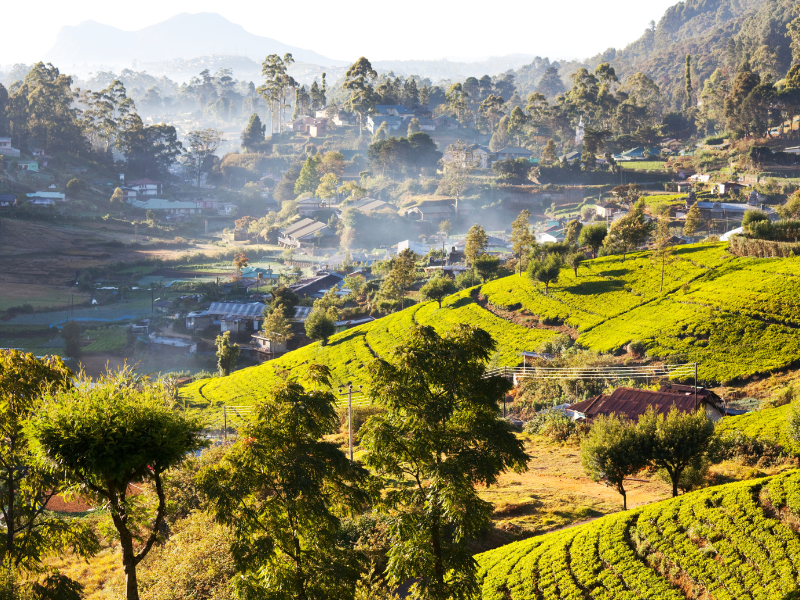
It’s true, Sri Lanka’s tea country begins with the postcard: mist-covered mountains, endless rows of neatly clipped tea bushes, colonial-era bungalows and a steaming cup of Ceylon tea, but they are only part of the story.
Sri Lanka’s tea country is also a working agricultural landscape. Tea bushes are continuously managed, leaves are selectively plucked, weather affects growth, and freshly harvested leaves must move into processing quickly. Elevation and terrain influence the growing environment, while the factory determines how that leaf is transformed into the tea eventually poured into your cup.
What Does a Planter Actually Notice?
A visitor may see green slopes and rows of tea bushes. Someone familiar with tea cultivation is likely to notice a much more detailed landscape.
- Elevation: Altitude affects temperature and the pace at which tea grows. Sri Lanka’s high-, mid- and lower-grown tea regions therefore develop different growing conditions and, in turn, different styles of tea.
- Weather: Rain, sunshine, mist and temperature variations are not just atmospheric details. They form part of the growing environment and can influence the characteristics of the crop.
- Terrain: Tea estates are rarely flat. Slopes, drainage, exposure and surrounding vegetation all contribute to the conditions in which the bushes grow.
- The Tea Bush: The quality of the eventual tea begins in the field. How bushes are maintained and which leaves are harvested are important long before the leaf reaches a factory.
- The Plucking Standard: Tea picking is more selective than simply stripping leaves from a bush. The type and maturity of leaf collected affect what happens during processing.
- The Factory: Fresh leaf has to be processed promptly. The factory is therefore not simply an attraction added to a plantation tour; it is an essential part of the journey from field to finished tea.
- The Cup: What you eventually taste reflects a combination of where the tea was grown and how that leaf was processed.
Ceylon Tea Is Not One Flavour
One of the easiest mistakes to make when exploring Ceylon tea is to assume that “Sri Lankan tea” describes one consistent flavour.
Sri Lanka’s major tea-growing regions differ in elevation, climate and geography, creating distinctive regional styles. Processing also influences the finished character, so regional descriptions should be treated as typical profiles rather than rigid rules.
| Tea Region | Landscape / Elevation | Typical Character | Best Experience |
| Nuwara Eliya | High elevation, cool climate | Light, delicate and bright | Estate + tasting |
| Dimbula | Western highlands | Brisk, aromatic and balanced | Estate + factory |
| Uva | Eastern highlands | Distinctive aroma and fuller character | Estate + tasting |
| Kandy | Mid-country | Fuller, stronger profile | Factory + local experience |
| Sabaragamuwa | Lower elevation | Richer, darker character | Estate + processing |
This also means there is no single answer to the question, “What is the best tea region in Sri Lanka?” The better question is: What kind of tea-country experience do you want?
The Major Tea Regions: Where Should You Go?
Nuwara Eliya
Nuwara Eliya is perhaps the most immediately recognisable expression of Sri Lanka’s high-country tea landscape. Located approximately 170 km from Colombo, its elevation, cool conditions and dramatic scenery make it especially appealing to travellers who want to combine tea tasting with the classic hill-country experience.
Dimbula
Dimbula lies within Sri Lanka’s western highlands, roughly 150-180 km from Colombo depending on the estate, and is another important high-grown tea region. Its estates combine expansive plantation scenery with opportunities to understand how seasonal conditions affect tea.
Uva
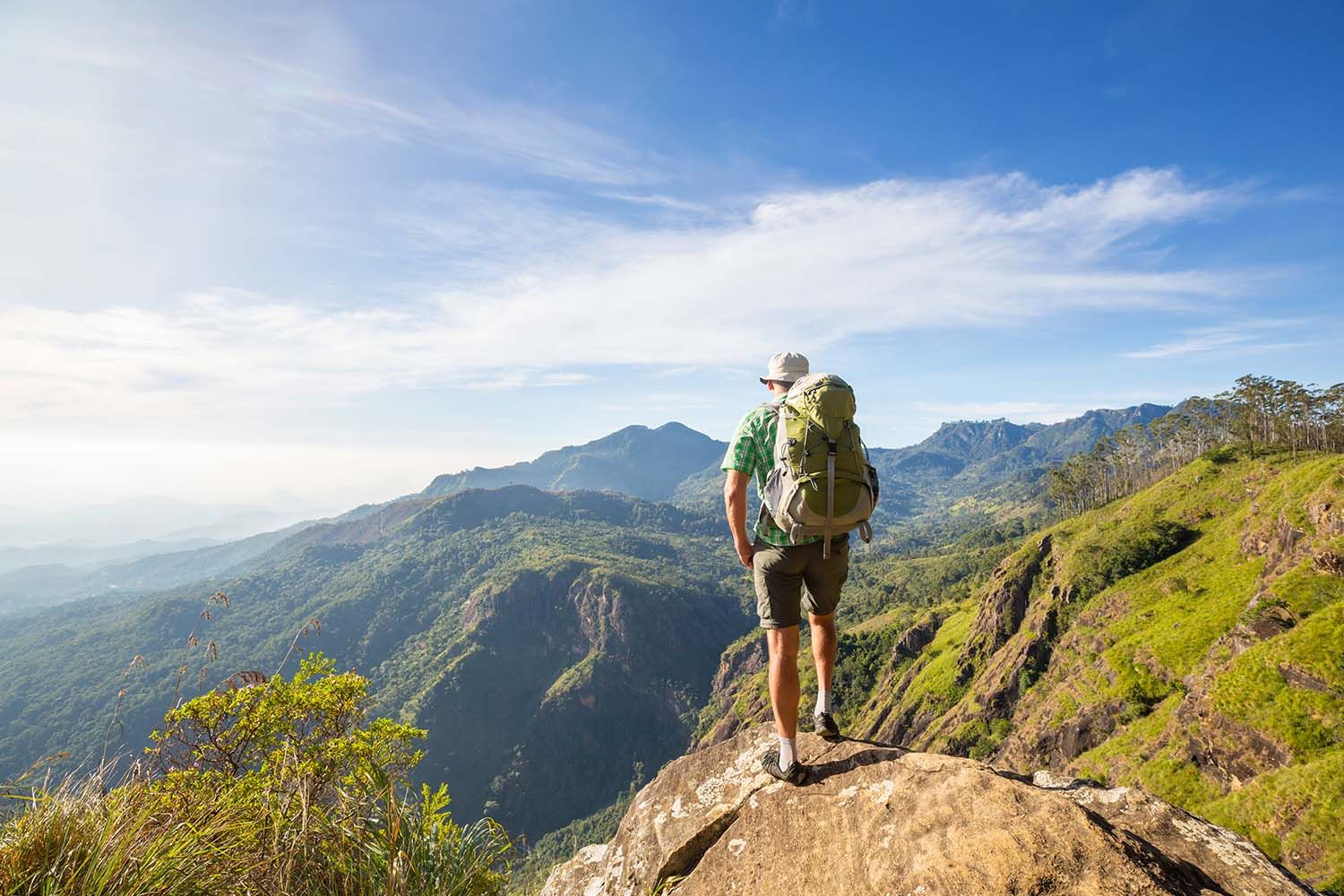
Uva occupies the eastern slopes of the central highlands, with the main tea-growing areas around Ella and Bandarawela approximately 200-230 km from Colombo by road. The region’s tea can have a distinctive aromatic character, while its mountainous setting makes it possible to combine tea experiences with hiking, scenic drives and other hill-country activities.
Kandy and Mid-Country Tea
Kandy sits within Sri Lanka’s mid-country tea-growing landscape, approximately 115 km from Colombo, and offers a different perspective from the high estates around Nuwara Eliya. Its accessibility makes it useful for travellers combining tea with cultural experiences and provides an introduction to Sri Lankan tea before travelling deeper into the central highlands.
Sabaragamuwa and Lower-Grown Tea
Sabaragamuwa offers a warmer, lower-elevation tea environment approximately 80-120 km from Colombo, depending on the area or estate, and provides a less familiar perspective on Sri Lanka’s tea industry. For travellers interested in understanding how elevation changes the tea landscape, including a lower-grown region can make the experience more revealing than visiting only the famous highland estates.
What Actually Happens Inside a Tea Factory?
A tea factory is where the green leaf picked in the fields begins its transformation into the tea that eventually reaches the market.
1. Plucking
Workers selectively harvest suitable young leaves from the tea bushes. The quality and condition of the incoming leaf provide the foundation for processing.
2. Withering
Freshly harvested leaves contain considerable moisture. Withering allows the leaves to lose some of that moisture and become suitable for the next stage.
3. Rolling and Maceration
The leaves are mechanically worked to break down their structure and prepare them for oxidation. The exact methods vary according to the type of tea being produced.
4. Oxidation
Oxidation is a key stage in black-tea production, influencing colour, aroma and flavour. It is often casually described as “fermentation”, but the two processes are not the same.
5. Drying or Firing
Heat is used to halt oxidation and stabilise the processed tea.
6. Sorting and Grading
Processed tea is separated according to characteristics such as leaf size and grade. These classifications help determine how the tea is prepared and marketed.
7. Tasting and Evaluation
Tea professionals assess the finished product through tasting, examining characteristics such as aroma, appearance, body and flavour.
In one sentence: A tea factory transforms freshly plucked green leaf into stable, graded tea through controlled withering, processing, oxidation and drying. Seeing these stages in sequence changes how you understand the tea in your cup.
How to Experience a Ceylon Tea Estate Properly
A good tea estate visit should involve more than walking to a viewpoint, taking photographs and buying a packet of tea.
Walk Through the Fields
Look at the planting patterns, terrain and surrounding landscape. Notice how the tea bushes fit into the slopes rather than viewing them as a uniform green carpet.
Observe Plucking
If tea picking is taking place, pay attention to what is actually being harvested. Selective plucking is part of the production story.
Visit the Factory
Seeing the machinery and understanding the sequence of processing connects the landscape outside with the tea being produced inside.
Taste the Tea
Where possible, taste tea connected to the estate or region you have just visited. The tasting becomes more meaningful when you know where the leaf came from.
Talk to Someone Who Knows the Estate
A guide, planter, tea maker or knowledgeable estate representative can explain details that aren’t obvious from simply walking through the property.
Stay for the Landscape
Tea country changes with weather and light. Mist moving across the hills or clouds settling over the plantations is part of the experience. Don’t turn an estate visit into another rushed stop between destinations.
When Should You Visit Tea Country?
There is no single universal “tea season” for Sri Lanka. Different growing regions respond to different weather patterns, and the best timing depends on whether your priority is estate scenery, factory activity, tasting or comfortable conditions for exploring the hills.
The practical approach is to choose your broader Sri Lankan route first, then select the tea region that fits your dates and interests.
For wider route planning, see our Best Time to Visit Sri Lanka and Where to Go: Month-by-Month Guide.
How Long Should You Spend in Sri Lanka’s Tea Country?
You don’t necessarily need several days to have a worthwhile tea experience, but the amount of time you allocate changes what you can do.
Half Day
A half-day works for a focused factory visit, short estate experience and tasting, particularly if tea is one part of a larger itinerary.
One Day
One full day allows you to slow down enough to combine an estate, factory and tasting with some scenic exploration.
Two Days
Two days are better suited to travellers who want a slower hill-country experience, multiple tea experiences, hiking or a plantation stay.
Three or More Days
A longer stay makes sense if tea is a central interest and you want to combine estates with walking, wellness, plantation heritage and slower travel.
Tea country is better experienced at a slower pace than as a two-hour stop between Kandy and Ella.
Building Tea Country Into a Sri Lanka Itinerary
Tea country can be incorporated into a wider Sri Lanka holiday without making the itinerary feel like a dedicated tea tour.
If You Have 7 Days
Prioritise culture + hills + tea. Keep the route compact and avoid crossing the island simply to add another famous destination.
If You Have 10 Days
A route such as Cultural Triangle → Kandy → Tea Country → South Coast gives you a stronger mix of heritage, mountains, tea and beaches.
If You Have 14 Days
With more time, you can build a journey around culture → Kandy → Tea Country → Ella → wildlife → South Coast, while still allowing time to slow down.
The important thing is to avoid treating tea country as an add-on that must fit between several long transfers.
For more guidance on balancing the length of your Sri Lankan itinerary, see 7-Day Sri Lanka Tour vs 14-Day Tour: Which One Is Right for You?.
How Walkers Tours Can Add Tea Country Into Your Sri Lanka Journey
A meaningful tea experience is all about choosing the right region, allowing enough time and connecting the tea landscape with the rest of the journey.
- Choosing the right tea region: Your route, travel dates and interests can determine whether Nuwara Eliya, Dimbula, Uva, Kandy or another tea-growing area makes the most sense.
- Building realistic routing: A tea estate should fit naturally into your journey rather than create unnecessary backtracking.
- Combining experiences: Tea country can be paired with scenic train journeys, hiking, cultural experiences, wellness, wildlife or the coast.
- Pacing the itinerary: Allowing time to walk, taste and talk makes the experience considerably more rewarding than rushing through a factory before the next destination.
With local knowledge of Sri Lanka’s routes and regions, Walkers Tours can help turn a tea plantation visit into part of a wider journey through the island rather than a standalone sightseeing stop.
FAQ
What is the best tea region in Sri Lanka?
There is no single best tea region in Sri Lanka because Nuwara Eliya, Dimbula, Uva, Kandy and Sabaragamuwa offer different elevations, landscapes, tea characteristics and visitor experiences. The right region depends on your interests.
Where can you experience Ceylon tea in Sri Lanka?
You can experience Ceylon tea across Sri Lanka’s major growing regions, including Nuwara Eliya, Dimbula, Uva, Kandy and Sabaragamuwa. Look for working estates offering field visits, factory tours and guided tastings.
Can you visit a working tea estate in Sri Lanka?
Yes, travellers can visit working tea estates in Sri Lanka, although the level of access varies. The most rewarding experiences combine a walk through the plantation with an explanation of cultivation, factory processing and a tea tasting.
How many days do you need in Sri Lanka’s tea country?
A half-day is enough for a focused factory visit and tasting, while one to two days allow a more immersive experience with estate walks and scenery. Three or more days suit travellers who want slower tea-country exploration.
What is the best time to visit Sri Lanka’s tea country?
There is no single best time for every tea region because Sri Lanka’s tea-growing areas experience different weather patterns. Choose your region according to your travel dates, preferred scenery and the type of tea experience you want.
Conclusion
Sri Lanka’s tea country is far more than misty mountains, green plantations and a famous cup of Ceylon tea.
Look beyond the postcard and you find a working landscape shaped by elevation, weather, terrain, cultivation, plucking, processing and people. Each tea-growing region offers a slightly different way into that story, while a proper tasting gives you the opportunity to understand what all those differences eventually mean in the cup.
The best tea-country experience isn’t necessarily the one with the most estates on the itinerary. It is the one that gives you enough time to walk through the landscape, see how the leaf is made into tea, speak to people who understand it and taste what that particular place produces.