Sri Lanka by Car vs Train: Which Is Better for Different Parts of Your Trip?
Destination . Experiences . Leisure Destination . Experiences . Leisure Destination . Experiences . Leisure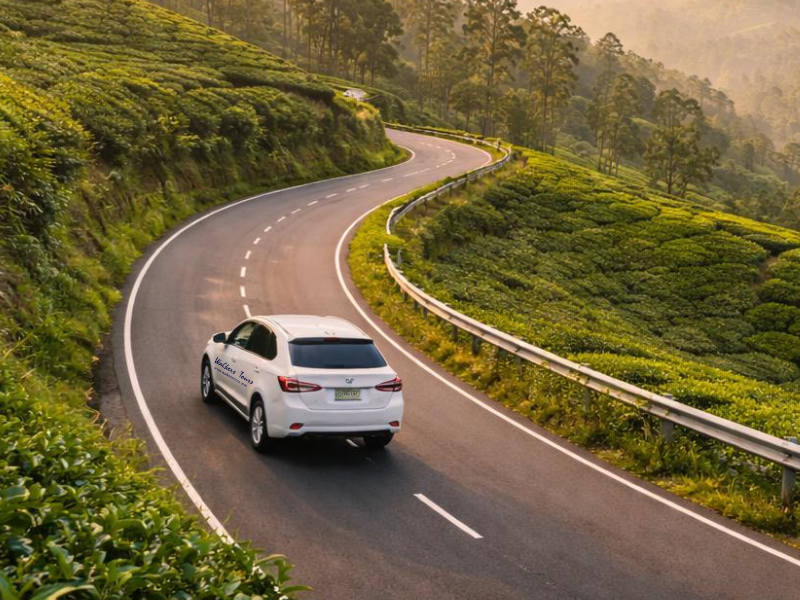
The best way to travel around Sri Lanka by car vs train depends on your itinerary, available time and travel preferences. Private cars offer flexible, door-to-door transport and convenient access to multiple destinations, while trains provide scenic journeys through the hill country and along selected coastal routes. For most travellers, combining private road transfers with selected train journeys offers the best balance of convenience, flexibility and experience.
Car vs Train in Sri Lanka: At a Glance
| Factor | Private Car | Train |
| Flexibility | High; routes and stops can be customised | Limited to scheduled routes and services |
| Door-to-door travel | Yes | Requires transfers to and from stations |
| Scenic experiences | Depends on the route | Excellent on selected routes |
| Luggage convenience | Easier to manage | Depends on seating, space and service |
| Multi-destination trips | Highly practical | Often requires additional transfers |
| Stops along the way | Can be arranged flexibly | Limited to scheduled stations |
| Travel schedule | Can be customised | Follows railway timetables |
| Best suited for | Transfers and complete itineraries | Scenic rail experiences |
A train journey can be one of the highlights of a Sri Lanka holiday, but it may not be the most convenient way to reach every destination. Similarly, a private car offers flexibility, although it cannot replicate the experience of travelling through tea plantations and mountain scenery by rail.
Travelling Around Sri Lanka by Private Car
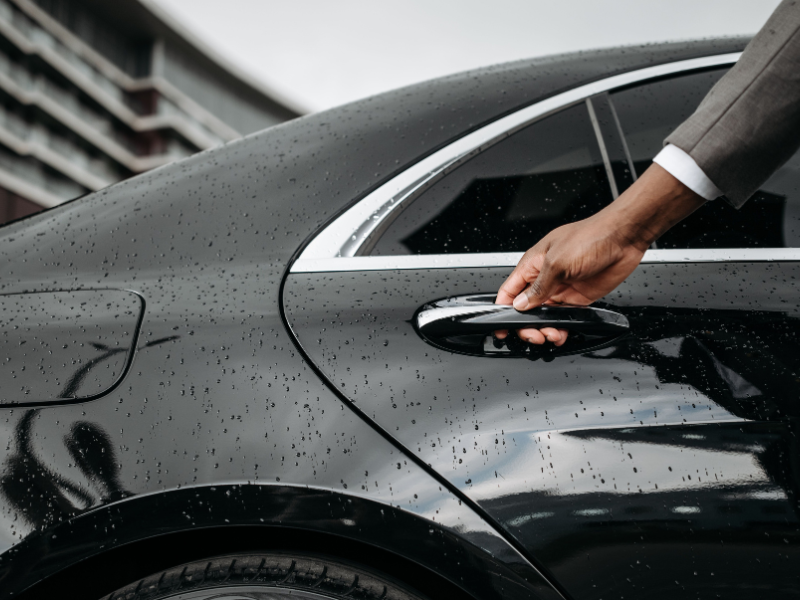
Private car travel is one of the most convenient ways to explore Sri Lanka, particularly when visiting several destinations within a single holiday. It allows travellers to move directly between hotels, attractions, airports and other stops without having to organise separate connections.
A private vehicle is especially useful for routes involving the Cultural Triangle, wildlife parks, the hill country and the southern coast. It also makes it easier to include experiences along the way, whether that means visiting a cultural attraction, stopping at a viewpoint or taking a break during a longer journey.
Other advantages include:
- Door-to-door transfers: Travel directly between accommodation and destinations without changing transport.
- Flexible stops: Adjust the journey to include attractions, meals and sightseeing.
- Luggage convenience: Keep suitcases and other belongings in the vehicle between destinations.
- Personalised itineraries: Adapt the route to suit your interests, pace and available time.
- Access beyond railway routes: Reach destinations that are not conveniently connected by train.
When should you choose a private car?
A private vehicle is generally the more practical option for airport transfers, Cultural Triangle tours, safari trips and multi-destination holidays. It is also useful when travelling with children, older family members or substantial luggage.
For example, travelling from Colombo to Sigiriya by private vehicle allows you to reach your accommodation directly and potentially include sightseeing along the way. Similarly, travelling from Ella towards Yala is more straightforward by road than attempting to connect multiple train services and onward transfers.
Travellers with limited time may also prefer a car because the route can be planned around their accommodation and sightseeing priorities rather than fixed railway schedules.
What Is It Like Travelling With a Private Driver-Guide?
Hiring a private vehicle with a driver-guide offers more than transportation. A knowledgeable local driver can help coordinate routes, identify suitable stops, navigate unfamiliar roads and provide insights into places along the journey.
This can be particularly valuable for first-time visitors who are unfamiliar with Sri Lanka’s road network and regional travel conditions. It also reduces the effort involved in coordinating transfers between destinations.
When arranging Sri Lanka private car hire, clarify whether the service includes a driver-guide, the planned route, waiting time and any additional transfer requirements.
Travelling Around Sri Lanka by Train
Sri Lanka’s railway network offers a different way to experience the island. While trains are not always the most direct means of reaching a destination, selected routes pass through landscapes that make the journey an attraction in itself.
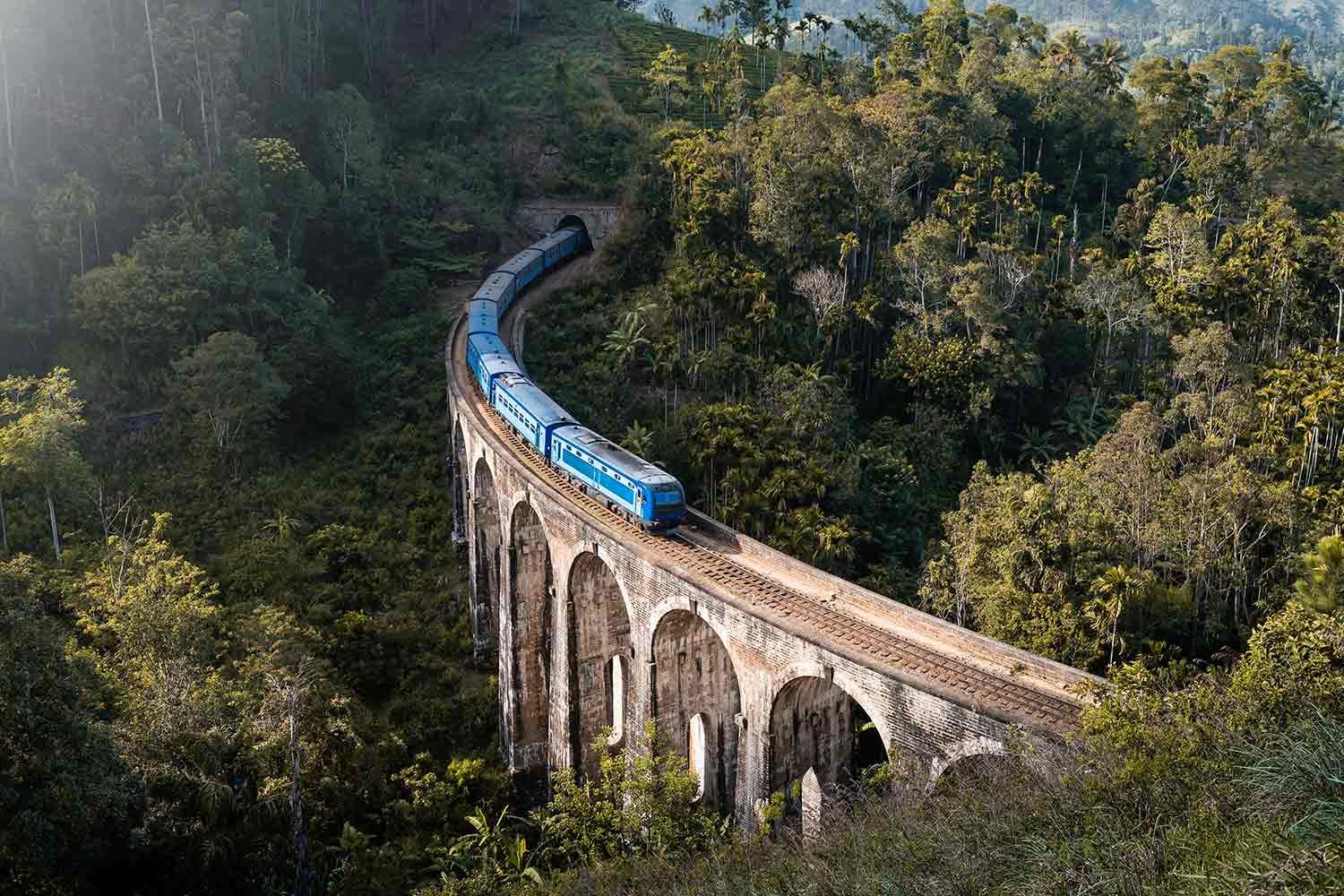
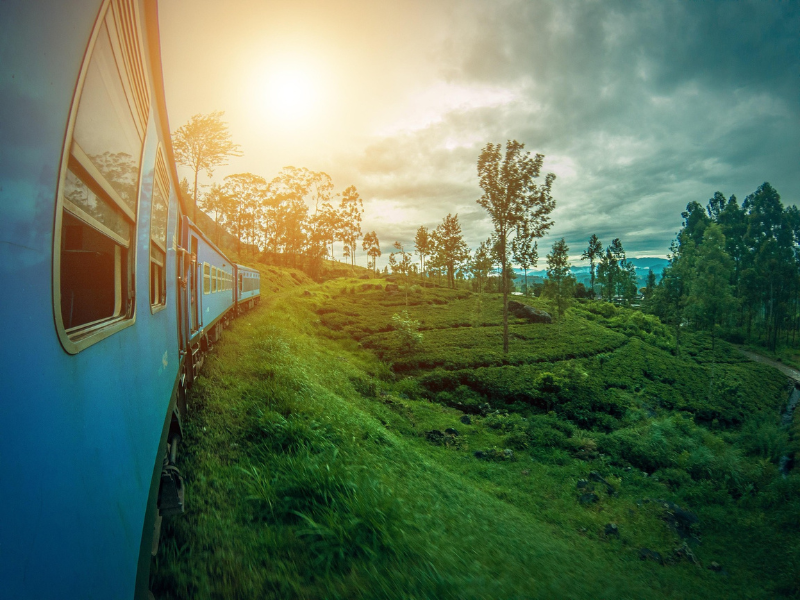
The hill-country railway is particularly popular with international travellers, offering views of tea estates, valleys, mountains and rural settlements. Coastal railway journeys provide another perspective, with sections of the track running close to the Indian Ocean.
The Most Popular Train Routes for International Travellers
| Train route | Why travellers choose it |
| Kandy–Ella | A popular route through the scenic hill country |
| Nanu Oya–Ella | Views of tea estates, mountains and valleys |
| Colombo–Galle | A coastal railway experience along the western and southern coastline |
| Colombo–Kandy | A rail connection between the commercial capital and the cultural capital |
The Kandy–Ella journey is particularly well known among visitors seeking a scenic Sri Lanka train travel experience. Travellers staying in Nuwara Eliya can also access the hill-country railway through Nanu Oya, the station serving the area.
For a more detailed comparison of railway experiences, read Sri Lanka’s Iconic Train Journeys: Which Route Is Actually Worth Your Time in 2026.
What Makes Sri Lanka’s Train Journeys Special?
The appeal of Sri Lanka’s scenic train journeys lies in the opportunity to experience the countryside at a slower pace. In the hill country, passengers can see tea plantations, forested slopes, mountain landscapes and small railway stations along the route.
The journey also offers photography opportunities and a chance to observe everyday life in areas that may be less visible when travelling by private vehicle.
For many visitors, the train is not simply a way to get from one destination to another. It is an experience worth including in the itinerary.
What Should You Know Before Booking a Train?
Train travel requires more planning than simply arriving at a station and boarding. Some services offer reserved seating, while others have unreserved options. Availability, classes and booking arrangements vary by service.
Keep these considerations in mind:
- Book ahead: Popular scenic services can experience high demand, particularly during busy travel periods.
- Check the class: Seating arrangements and onboard facilities differ between classes.
- Confirm timetables: Train schedules and services can change, so check current information before travelling.
- Plan station transfers: Railway stations may be some distance from your hotel or final destination.
- Consider luggage: Think about how much you are carrying and whether you will need to manage it during connections.
- Allow for changes: Avoid arranging tightly timed onward activities around an assumed train arrival time.
Most importantly, plan your wider itinerary around the train journey rather than treating it as an isolated booking.
Which Transport Is Better for Each Part of Sri Lanka?
The most suitable transport option changes depending on the route. Some destinations are easier to reach by road, while others are particularly rewarding by train.
| Destination or route | Recommended approach | Reason |
| Colombo to Sigiriya | Private car | Direct access and flexibility for sightseeing |
| Colombo to Kandy | Car or train | Depends on schedule and travel preference |
| Kandy to Ella | Train, with transfers | A scenic hill-country experience |
| Nuwara Eliya to Ella | Private car | Flexible access between destinations |
| Ella to Yala | Private car | More practical for onward safari travel |
| Galle to Colombo | Car or train | Depends on schedule and preferred experience |
| Airport to hotel | Private car | Convenient door-to-door transfer with luggage |
You can take both train and car on the same trip. For a longer holiday, a private vehicle can connect the airport, Sigiriya, Kandy and the southern coast. A scenic train journey can then be incorporated into the hill-country section, with suitable transfers arranged at either end.
The exact route will depend on the number of days available and the destinations included. For help deciding how to sequence these regions, read Nuwara Eliya vs. Ella. vs. Kandy.
How Much Time Do You Need for Each Type of Journey?
A road journey offers flexibility, but travel times can vary depending on traffic, road conditions, weather and the route. Distances that appear short on a map may take longer to cover, particularly in mountainous areas.
Train journeys follow scheduled services, which means travellers need to account for departure times, station arrival and onward transfers. A train may also involve travelling to a station that is not directly beside the hotel or final destination.
When comparing transport options, consider the complete journey:
- Travel time from your accommodation to the departure point.
- Waiting time before departure.
- The journey itself.
- Time required to collect luggage and leave the station.
- The onward transfer to your accommodation or next attraction.
This is particularly important when planning a holiday with several destinations. A transport option that appears faster on paper may not save much time once connections are included.
Common Transport Planning Mistakes to Avoid
A few common mistakes can make travelling around Sri Lanka more complicated than necessary.
- Booking train journeys before finalising the route: Choose the destinations and travel sequence first, then identify where a train journey fits.
- Assuming every destination is accessible by train: Many attractions, hotels and wildlife destinations require road transfers.
- Underestimating station transfers: Include the time needed to reach and leave railway stations.
- Planning multiple train journeys without considering luggage: Frequent changes can make travelling with large suitcases inconvenient.
- Treating road distances as actual journey times: Traffic, terrain and road conditions influence travel time.
- Trying to use trains for every leg: Some routes are simply more practical by private vehicle.
A well-sequenced itinerary can prevent unnecessary backtracking and reduce the time spent coordinating transport. If you are planning your first visit, First Time in Sri Lanka? Here’s the Route Most Travelers Get Wrong explores some of the route-planning decisions worth considering.
How Walkers Tours Can Help You Plan Transport Around Your Itinerary
Choosing between a private vehicle and train is only one part of planning how to travel around Sri Lanka. The more important decision is how each journey fits into the wider holiday.
Walkers Tours can help coordinate private vehicles, driver-guides, selected train experiences and station transfers as part of a multi-destination itinerary. This includes considering accommodation locations, luggage requirements, sightseeing stops and onward connections when arranging the route.
Whether you are planning a short holiday or an extended island tour, transport can be organised around your preferred destinations and experiences.
With more than 50 years of experience operating in Sri Lanka, Walkers Tours understands the importance of route sequencing and practical travel arrangements.
FAQ
1. Is travelling by train in Sri Lanka worth it?
Yes. Sri Lanka’s hill-country train journeys are popular for their views of tea plantations, mountains and valleys. The experience can be a memorable part of a holiday, provided the route and timetable fit your itinerary.
2. Can you explore Sri Lanka without hiring a car?
Yes. Travellers can use trains, buses, taxis and other local transport options. However, reaching some attractions and connecting multiple destinations may require additional planning and transfers.
3. Which is the most scenic train journey in Sri Lanka?
The Kandy–Ella hill-country journey is among the most popular scenic rail experiences. It passes through landscapes featuring tea estates, mountains and valleys, making it a favourite with international visitors.
4. Is it easy to travel around Sri Lanka with luggage?
Travelling by private car is generally easier when carrying several suitcases. Train travel is also possible, but passengers should consider available luggage space, station access and the number of transfers involved.
5. Is travelling by car faster than travelling by train?
It depends on the route. A private car offers direct transfers and flexible departure times, while a train follows a fixed route and timetable. Compare the complete journey, including station transfers and waiting time, rather than just the travel duration.
Conclusion
While private cars offer flexibility, convenient transfers and easier access to destinations across the island, trains provide memorable experiences along some of the country’s most scenic routes.
For many travellers, combining the two is the most practical solution. Use a private vehicle where direct access and flexibility matter, and choose the train where the journey itself is part of the experience.
By planning transport around your destinations, available time and travel preferences, you can explore more of Sri Lanka without making the journey unnecessarily complicated.