Best Sri Lankan Foods to Try on a Culinary Tour
Culinary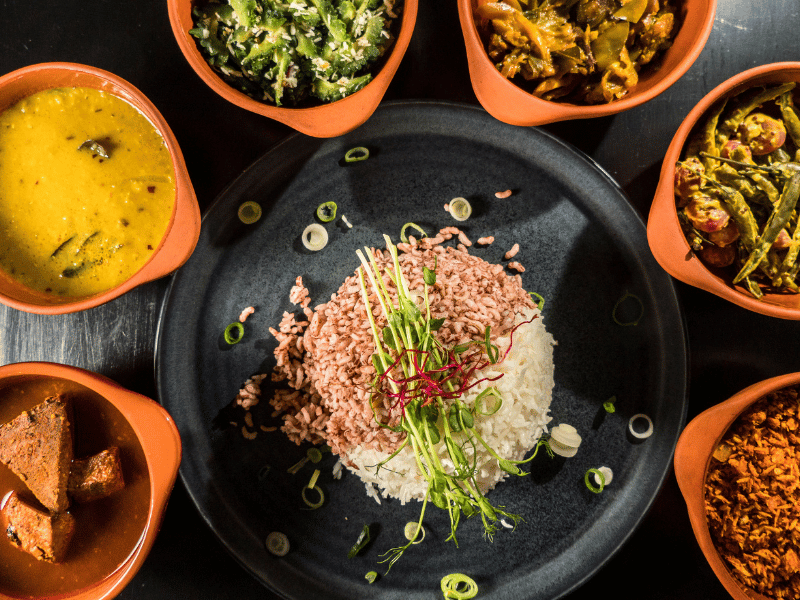
Sri Lankan cuisine features a mix of rice-based dishes, curries, seafood, and street food such as rice and curry, hoppers, kottu roti, and seafood specialties. Travellers must experience local flavours, regional dishes, and traditional cooking experiences across the island.
Quick Summary
- Must-try foods: Rice and curry, hoppers, kottu roti, seafood
- Regional diversity: Coastal seafood, hill country flavours, street food
- Food experiences: Cooking classes, markets, local eateries
- Best places to try: Colombo, Galle, Kandy, Jaffna
- Guided culinary tours: Walkers Tours curated food experiences
Travellers visiting Sri Lanka often ask: What should I eat first? Is the food spicy? Where can I find authentic dishes?
Sri Lanka is one of Asia’s most underrated culinary destinations, where food is not just about eating, it’s a cultural experience shaped by history, geography, and daily life. From street-side snacks to home-cooked meals, every dish reflects a blend of flavours and traditions.
This diversity is best experienced through well-planned routes that connect regions, something many travellers explore through curated journeys like those offered by Walkers Tours.
What Makes Sri Lankan Food Unique
Sri Lankan food is built around a simple yet powerful foundation: rice and curry. What makes it distinctive is the use of fresh spices such as cinnamon, curry leaves, pandan, and coconut, which create layered flavours that are spicy, tangy, and aromatic at the same time.
Regional variation plays a key role. Coastal areas focus on seafood, the hill country brings comforting dishes, while the north offers bolder flavours. This balance of ingredients and techniques is what makes Sri Lankan cuisine both diverse and deeply rooted in tradition.
Must-Try Sri Lankan Foods
Rice and Curry
Rice and curry is the foundation of Sri Lankan cuisine and the most widely eaten meal across the island. It typically includes rice served with multiple curries, vegetable, fish, chicken, or dhal, along with sambols and pickles.
The flavours vary depending on the region, but the combination creates a balanced and filling meal. It is best experienced in local eateries or home-style settings, especially during lunch.
Hoppers (Appa)
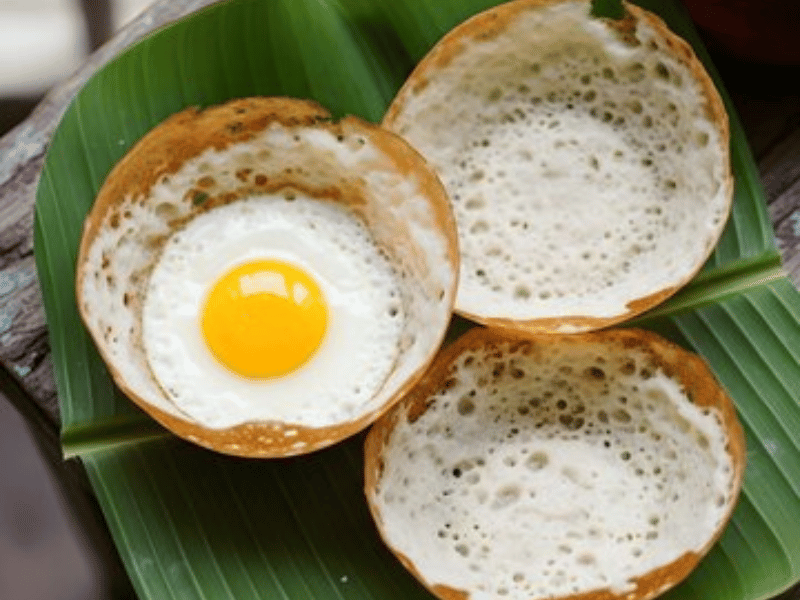
Hoppers are bowl-shaped pancakes made from fermented rice flour and coconut milk, with crispy edges and a soft centre. The most popular variation is the egg hopper, where an egg is cooked inside the hopper.
They are usually eaten for breakfast or dinner and served with spicy sambols or curries. Hoppers are widely available in all parts of the country.
Kottu Roti
Kottu roti is one of Sri Lanka’s most iconic street foods, made by chopping flatbread with vegetables, eggs, and meat on a hot griddle. The rhythmic sound of metal blades hitting the grill is part of the experience.
It is rich, spicy, and filling, and is best enjoyed at roadside eateries in cities like Colombo and Kandy, especially at night.
String Hoppers
String hoppers are delicate rice noodles pressed into circular shapes and steamed. They are typically served with dhal curry, coconut sambol, and sometimes fish curry.
This dish is commonly eaten for breakfast or dinner and offers a lighter alternative to rice and curry while still being flavourful and satisfying.
Pol Sambol
Pol sambol is a coconut-based relish made with grated coconut, chilli, lime, and onions. It is not a standalone dish but an essential accompaniment to many Sri Lankan meals. Its spicy and tangy flavour enhances almost everything it is served with, making it a core part of the local food experience.
Lamprais
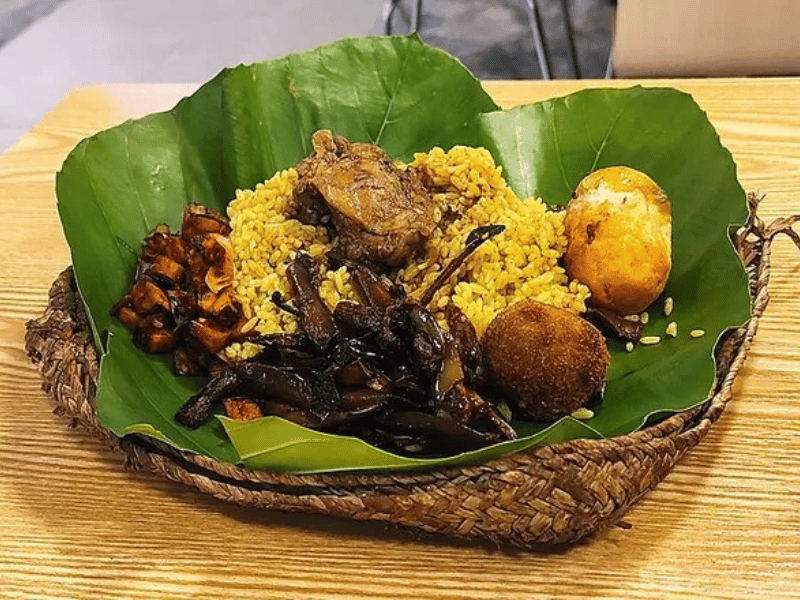
Lamprais is a unique dish influenced by Dutch Burgher cuisine. It consists of rice, meat curry, sambol, and accompaniments wrapped in a banana leaf and baked. The result is a rich, aromatic meal with layered flavours. It is commonly found in Colombo and is often enjoyed as a special or celebratory dish.
Sri Lankan Seafood
Sri Lanka’s coastal regions offer some of the freshest seafood in the region. Crab, prawns, cuttlefish, and fish curries are staples, often prepared with bold spices and coconut milk.
Places like Galle, Mirissa, and Negombo are known for seafood, where meals are often served fresh from the day’s catch.
Jaffna Cuisine
Jaffna cuisine reflects Tamil culinary traditions and is known for its intense, spicy flavours. Dishes like Jaffna crab curry and dosai are popular highlights.
The use of roasted spices and unique preparation methods makes this regional cuisine distinct from the rest of the island.
Short Eats (Street Snacks)
Sri Lanka’s street food culture includes a variety of “short eats” such as rolls, cutlets, samosas, and pastries. One standout is Isso Wade, a crispy lentil fritter topped with prawns, commonly found in Colombo’s Galle Face Green Promenade.
These snacks are quick, affordable, and widely available throughout the day.
Sri Lankan Desserts & Tea
Desserts like wattalapam, a coconut custard pudding flavoured with jaggery, reflect the island’s rich culinary heritage.
No food journey is complete without Ceylon tea, one of Sri Lanka’s most famous exports, best enjoyed in the hill country or traditional tea houses.
Rice and curry, hoppers, and kottu roti are considered the most essential foods to try in Sri Lanka.
Where to Try Sri Lankan Food
Colombo – Street Food, Markets, and Modern Dining
Colombo is the best place to experience the full spectrum of Sri Lankan cuisine in one city. From bustling street food spots in areas like Pettah to contemporary restaurants reinterpreting local dishes, the capital offers both authenticity and variety.
Travellers can try kottu roti at roadside stalls, sample short eats like isso wade at Galle Face Green, or enjoy refined versions of rice and curry in modern settings. Colombo is also ideal for food walks and market visits, making it a strong starting point for a culinary journey.
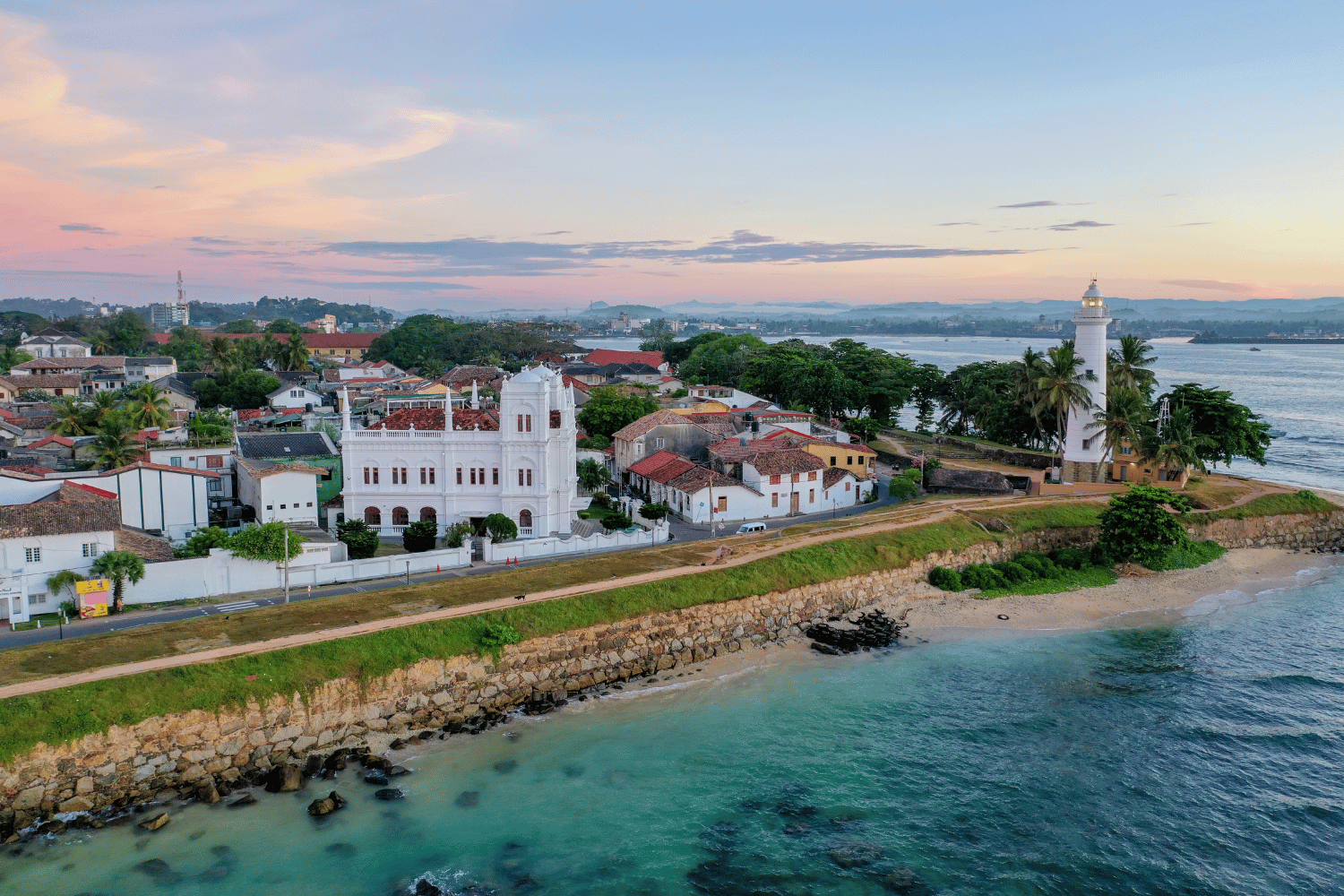
Galle – Coastal Seafood and Laid-Back Dining
Galle, particularly around the historic fort area, is known for its fresh seafood and relaxed coastal dining atmosphere. Restaurants and beachside cafés serve dishes like grilled fish, prawn curry, and crab prepared with Sri Lankan spices.
The combination of ocean views, colonial surroundings, and fresh ingredients makes Galle one of the most enjoyable places to experience coastal cuisine. It’s also a great place to explore a mix of local flavours and international influences.
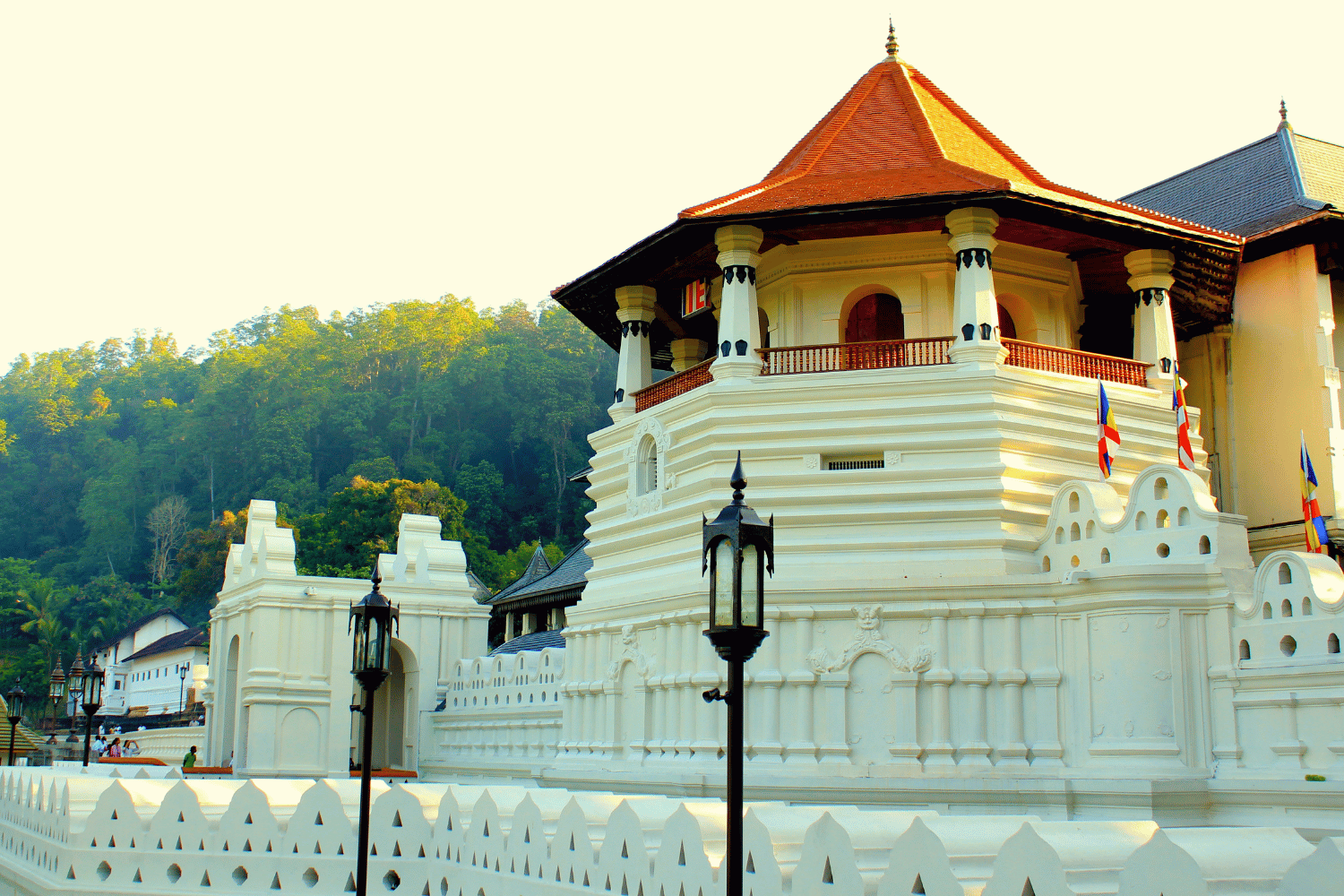
Kandy – Traditional Flavours and Cultural Meals
Kandy offers a more traditional and cultural food experience, often centred around home-style cooking. Meals here tend to reflect classic Sri Lankan flavours, with rice and curry served in a more authentic, less commercialised setting. Travellers can also experience meals connected to cultural performances or temple visits, giving food a deeper context.
Kandy is ideal for those looking to understand how Sri Lankan cuisine is prepared and enjoyed in everyday life.
Jaffna – Bold Cuisine and Regional Specialties
Jaffna provides a completely different culinary experience shaped by Tamil influences and regional traditions. The food here is known for its bold flavours, higher spice levels, and unique preparation methods. Signature dishes such as Jaffna crab curry and dosai stand out for their intensity and depth.
Exploring Jaffna’s food scene offers insight into a lesser-known side of Sri Lankan cuisine, making it an essential stop for travellers seeking diversity in flavours.
Culinary Experiences in Sri Lanka
Beyond dishes, Sri Lanka offers immersive food experiences such as:
- Cooking classes using traditional methods
- Village meals prepared with local ingredients
- Market visits showcasing spices and produce
- Street food tours in cities and coastal towns
These experiences offer deeper insight into how food is prepared and enjoyed locally, and can be seamlessly integrated into personalized Sri Lanka itineraries with Walkers Tours.
How to Experience Sri Lankan Food on a Tour
Sri Lankan cuisine varies significantly by region, making it difficult to experience fully in a single location.
A well-planned culinary journey connects coastal seafood, hill country dishes, and traditional village meals into one itinerary. This is why structured travel routes are often preferred, allowing travellers to experience the full range of flavours without missing key regions.
Planning Tips for a Culinary Tour
- Try dishes specific to each region
Sri Lankan cuisine varies significantly across the island, so make an effort to eat what each region is known for. Coastal areas specialise in fresh seafood, the hill country offers milder and comforting dishes, while the north brings bold, spice-heavy flavours like Jaffna crab curry. - Combine street food with restaurant dining
A balanced food experience comes from mixing casual street food with curated dining. Street stalls offer authenticity and local favourites like kottu roti and isso wade, while restaurants provide a more refined introduction to traditional dishes. - Pace your meals to fully enjoy the flavours
Sri Lankan meals are often rich, filling and layered with spices, so spacing out meals helps avoid flavour fatigue. Taking time between dishes allows you to better appreciate the variety and depth of the cuisine.
Stay hydrated, especially when trying spicy dishes
Many Sri Lankan dishes include chilli and warming spices, so keeping hydrated is important for comfort. Coconut water, fresh juices, and water are commonly available and help balance the heat.
FAQs
What food is Sri Lanka famous for?
Sri Lanka is best known for rice and curry, which includes a variety of dishes served together with rice. It also features popular foods like hoppers, kottu roti, and seafood, reflecting a mix of spices, coconut, and regional influences.
Is Sri Lankan food spicy?
Sri Lankan food is spicy, but not all dishes are extremely hot. Many meals balance spice with coconut and other ingredients. Travellers can usually request milder versions depending on their preference.
What should I eat first in Sri Lanka?
Rice and curry is the best starting point, as it represents the core of Sri Lankan cuisine. It introduces a variety of flavours in one meal and provides a good overview of local food traditions.
Is street food safe in Sri Lanka?
Street food is generally safe when prepared fresh and served hot. Choosing busy stalls with high turnover is a good way to ensure food quality and hygiene.
Can I do a food tour in Sri Lanka?
Yes, culinary tours are available and often combine food with travel across regions. These tours include cooking experiences, local meals, and market visits, offering a deeper understanding of Sri Lankan cuisine.
Final Thoughts
Sri Lanka offers a rich and diverse food culture that goes far beyond individual dishes. From rice and curry to seafood and street food, each region brings its own flavours and traditions.
Food is not just part of the journey, it is the journey itself.